
Heel Pain
Heel pain can range in severity from mild and annoying to severe and debilitating. Usually caused by an injury, heel pain can become chronic if it's left untreated. There are many different types of injuries that can bring about heel pain. When describing your pain, it is important to note the location and type of pain, as well as when the pain started and what activities make it better or worse.
Perhaps the most common cause of heel pain is plantar fasciitis, a condition in which the plantar fascia, a ligament that runs along the bottom of the foot, becomes inflamed due to repetitive overuse or trauma. This condition causes stabbing pain in the bottom of the heel. The pain is usually at its worst when you take your first few steps after a period of rest, like when you first get up in the morning. Plantar fasciitis is also sometimes accompanied by bone spurs, calcium deposits on the heel bone that can cause sharp pain that gradually evolves into a dull ache. Other possible causes of heel pain include Achilles tendonitis, heel fractures, bursitis, tarsal tunnel syndrome, and Sever’s disease.
Although treatment for heel pain depends on the underlying cause, most treatments involve resting, icing, and elevating the affected foot. Your chiropodist will also typically suggest that you wear more comfortable, supportive shoes or orthotics to help your heel heal. Over-the-counter pain medications are usually sufficient to manage heel pain. For more information about heel pain, please consult with a chiropodist.
Heel Pain in the Morning?


Heel pain can negatively affect your day-to-day life. Simple activities like walking can become incredibly uncomfortable or painful due to heel pain.
Don’t live with heel pain and get treated.
Common Causes of Lateral Foot Pain


Lateral foot pain can arise from several conditions, each with unique causes and symptoms. One common cause is a stress fracture, which occurs when repetitive impact or overuse leads to tiny cracks in the bones on the outside of the foot. Cuboid syndrome, a misalignment of the cuboid bone, can also cause lateral foot pain, often resulting from ankle sprains or improper foot mechanics. Arthritis, particularly osteoarthritis, may lead to inflammation in the joints of the foot, causing pain on the outer side due to joint wear and tear. Additionally, peroneal tendonitis is another condition that causes lateral foot pain, where the peroneal tendons, which run along the outside of the ankle, become inflamed due to overuse or injury. If you have this type of foot pain, it is strongly suggested that you visit a chiropodist who can accurately diagnose and treat what is brewing.
Foot pain can have many causes. To receive an accurate diagnosis and treatment for your foot pain, please consult with Cynthia Chan, B.Sc., D.Ch from Healthy Advantage Foot & Orthotic Clinic. Our practitioner will assess your condition and provide you with quality foot and ankle treatment.
Causes
There are a variety of different conditions that can cause foot pain, including:
- Plantar fasciitis
- Deformities, such as bunions or hammertoes
- Injuries to the muscles, bones, tendons, or ligaments in the feet
- Arthritis
- Flat feet
- Ingrown toenails
Symptoms
The type and location of your foot pain can help determine what may be causing it and what type of treatment options are best for you.
Common types of foot pain include:
- Heel pain
- Arch pain
- Toe pain
- Ball of foot pain
- Pain that has a stabbing, burning, or tingling quality
- Pain that is constant, intermittent, or that gets better or worse depending on the situation
Diagnosis
A thorough medical history and physical examination of your feet will be required to determine a diagnosis. Imaging studies, such as X-rays or MRIs may be performed to rule out or confirm certain diagnoses.
Treatment
Treatment will depend on the cause of the pain. Common treatments for foot pain include resting, icing, compressing, and elevating the affected foot, wearing orthotics, or taking anti-inflammatory medications.
If you have any questions please feel free to contact our office located in Scarborough, ON .
Foot Pain
Foot pain is a common symptom of a large variety of injuries and medical conditions. A diagnosis can be narrowed down by describing the locations and type of pain that you are experiencing.
Pain in the heel is often caused by plantar fasciitis, an inflammation of the ligament that runs along the bottom of the foot and connects the heel to the toes. Plantar fasciitis usually causes stabbing heel pains and the pain is at its worst upon arising in the morning or when taking your first steps after a long period of rest. Heel pain can also be caused by heel spurs, bruises on the fat pad of the heel, or heel fractures.
Pain in the ball of the foot can be caused by Morton’s neuroma, in which the tissue of the nerves between the bases of the toes become thickened, causing tingling and numbness. Other causes of pain in the ball of the foot include metatarsalgia or sesamoiditis.
Pain in the arch of the foot can be caused by plantar fasciitis or having flat feet or fallen arches. Pain in the toes can be caused by many conditions, including gout, bunions, hammertoes, ingrown toenails, toe sprains or fractures, arthritis, and corns.
To find out what is causing your foot pain, it is recommended that you consult with a chiropodist, who can diagnose your condition and offer the appropriate treatments.
Reducing Fall Risks in Older People
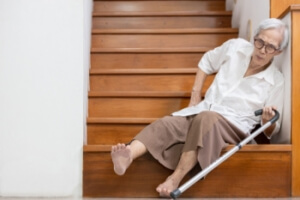
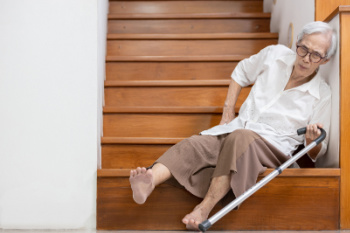
Falls among older adults are a significant concern, often resulting in serious injuries. Several factors contribute to an increased risk of falling, such as muscle weakness, poor balance, vision problems, and medication side effects. The feet are particularly affected, as weakened foot muscles and joint stiffness can lead to difficulty walking and maintaining proper posture and balance. Foot issues like bunions, hammertoes, or improper footwear can also increase the likelihood of tripping. To reduce the risk of falls, it is important to maintain a regular exercise routine to improve strength and balance. Regular eye exams can help address vision problems, while ensuring proper foot care and wearing well-fitted shoes can provide better support. Home safety measures, such as eliminating tripping hazards, can also make a significant difference in preventing falls and ensuring overall well-being. If you have sustained foot injuries from falling, it is suggested that you consult a chiropodist who can offer appropriate treatment options.
Falls are a major cause of injury among the elderly. To learn more about preventing falls or to get treatment following a foot or ankle injury caused by a fall, please consult with Cynthia Chan, B.Sc., D.Ch from Healthy Advantage Foot & Orthotic Clinic. Our practitioner will assess your condition and provide you with quality foot and ankle treatment.
Falling is one of the leading causes of injury among the elderly. It is said that about 50% of falls that result in hospitalization occur in the home. Fortunately, there are steps that you can implement to reduce your risk of falling in the home.
Tips to Prevent Falls at Home:
- In the bathroom - Place non-slip mats in the shower or tub, install grab bars near the toilet and bath, and wipe up any moisture or spills as soon as possible.
- In the living rooms and bedroom - Remove loose wires, cords, or other objects that may be an obstacle to moving around safely. Make sure that you have good lighting throughout the home so that you can always see where you are going. Get rid of any rugs or mats that are not firmly anchored or that may cause you to trip. When walking around the home, move slowly.
- In the kitchen - Store food and supplies in easily accessible areas, store heavy items in lower cupboards, and wipe up any spills immediately to prevent slipping.
- On the stairs - Make sure that the stairs are well-lit and have secure handrails. Walk slowly when ascending or descending the stairs.
- Outside - Keep walkways well-lit and clear of snow, ice, leaves, and man-made tripping hazards.
Maintaining your overall health, including the health of your feet, can also help to prevent falls. Eat a healthy diet, exercise regularly, and wear well-fitted, comfortable, and supportive shoes. If you have a mobility device, such as a cane, use it while walking.
If you have any questions, please feel free to contact our office located in . We offer the newest diagnostic and treatment technologies for all your foot care needs.
Falls Prevention
Falls are a leading cause of serious injury among the elderly. In fact, falls are the cause of the majority of hospitalizations for elderly people. As we age, our risk of falling increases due to deterioration in physical strength, coordination, vision, and hearing. Unsafe conditions in the home are often responsible for falls, and about half of all falls among the elderly occur in the home environment. Falling can cause a variety of complications, including injuries to the legs and feet, which can greatly impact one’s mobility and independence.
Fortunately, falls can often be prevented. There are various preventive measures that you can take to make your home environment safer and less likely to contribute to a fall. In the bathroom, where wet and slippery conditions can lead to falling, it is recommended that you have non-slip surfaces in the shower and tub, install grab bars by the toilet and bath to help you sit and stand, and wipe up any moisture or spills as soon as they occur. In the living room and bedroom, it is important to make sure that the floor is free of clutter and obstacles, such as loose cords and wires, small furniture items, and other tripping hazards. Ensure that all rugs and mats are firmly anchored and that there is good lighting throughout the home. In the kitchen, it is suggested that you store appliances and other supplies in places that are easy to reach and that you wipe up any spills that may occur immediately. If your home has stairs, they should be well lit and have secure handrails.
You can also prevent falls by modifying your own behavior. When moving around the home, walk slowly and carefully, turn on lights when walking through your home at night, and use any mobility aids, such as a cane or walker, when needed. Exercise regularly and eat a healthy diet to maintain your overall health. Speak regularly with your doctor to monitor your medications, especially if you are taking any medications that may increase your risk of falling due to side effects such as dizziness. For more tips on how to prevent falls, please consult with a chiropodist.
Managing Achilles Tendon Bursitis
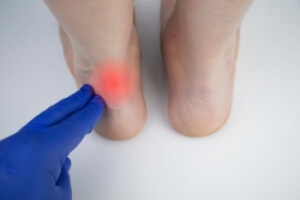
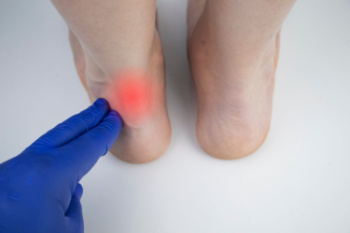
Achilles tendon bursitis occurs when the fluid-filled sac that cushions the area surrounding the tendon becomes inflamed. This condition can develop in bursa at the back of the heel or between the Achilles tendon and the heel bone. Common causes of Achilles tendon bursitis include wearing ill-fitting shoes, repetitive pressure on the back of the heel, or conditions like arthritis. Symptoms include swelling, redness, pain, and difficulty walking. Managing Achilles tendon bursitis involves addressing the inflammation and relieving pressure on the heel. A chiropodist can help by recommending appropriate footwear, orthotic devices, and specific exercises to alleviate strain on the Achilles tendon. Regular visits to a chiropodist can aid in monitoring and treating Achilles tendon bursitis effectively. If you are experiencing heel pain that may be related to bursitis, it is suggested that you schedule an appointment with a chiropodist for advice.
Achilles tendonitis is a common injury of the Achilles tendon, a band of fibrous tissue that runs along the back of the lower leg. The Achilles tendon can also rupture, making it impossible to lift the foot. If you are suffering from heel or calf pain, please consult with Cynthia Chan, B.Sc., D.Ch from Healthy Advantage Foot & Orthotic Clinic. Our practitioner can help you maintain the health of your lower limbs and your mobility.
Causes of Achilles tendon injuries include:
- Repetitive stress or overuse
- Sudden increase in activity levels
- High impact injury
- Calf muscle tightness or weakness
- Altered foot biomechanics
- Heel bone spurs
- Underlying medical conditions that weaken the tendon
Symptoms of an Achilles tendon injury include:
- Heel and calf pain that worsens following exercise
- Chronic heel and calf pain
- Sudden pain in the back of the ankle or calf
- A popping or snapping sensation
- Thickened lump in the Achilles tendon
- Ankle and calf stiffness
- Decreased range of motion in the affected foot
- Swelling
- Difficulty walking
Treatment
- Resting the affected leg
- Applying ice
- Compressing the foot and ankle
- Elevating the injured leg
- Wearing orthotics
- Low impact exercises
- Stretches
- Strengthening exercises
- Non-steroidal anti-inflammatory medications
- Cortisone injections
- Surgery, if the tendon is ruptured
Achilles tendon injuries can be very painful and lead to reduced mobility if left untreated. If you have any questions, please feel free to contact our office located in . We offer the newest diagnostic and treatment technologies for all your foot care needs.
Achilles Tendon Injuries
The Achilles tendon, located at the back of the lower leg, is a strong band of fibrous tissue that connects the calf muscles to the heel bone. There are several different types of Achilles tendon injuries. The two most common injuries are Achilles tendonitis and Achilles tendon ruptures.
When the tendon is injured due to repetitive strain and overuse, it can result in a condition called Achilles tendonitis. This injury is characterized by inflammation of the Achilles tendon, heel and calf pain, thickening of the tendon, ankle and calf stiffness, and a decreased range of motion. In the initial stages of Achilles tendonitis, pain primarily occurs following physical activity, but it can become constant and chronic if the injury is left untreated.
When the Achilles tendon fully tears, it is known as an Achilles tendon rupture. This usually occurs following a sudden, high-impact injury. Symptoms include a sudden, stabbing pain in the back of the affected leg, a popping or snapping sensation, swelling, and difficulty walking and raising the foot. This condition requires prompt treatment to prevent further damage to the tendon.
There are a variety of treatments available for Achilles tendon injuries. Achilles tendonitis can often be treated through conservative methods, such as resting, icing, compressing, and elevating the affected foot, wearing orthotics, taking over-the-counter pain medications, and doing gentle stretches. Achilles tendon ruptures may require surgical treatment to avoid reinjury. For more information about Achilles tendon injuries, please consult with a chiropodist.
All About Tarsal Tunnel Syndrome
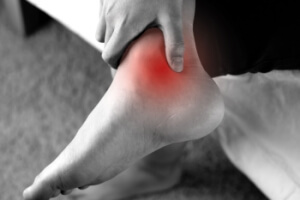
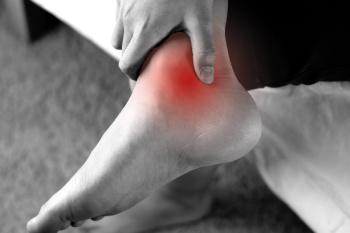
Tarsal tunnel syndrome occurs when the posterior tibial nerve is compressed as it passes through the tarsal tunnel, a narrow channel located on the inside of the ankle. This compression often results in pain, tingling, or burning sensations along the inner ankle, sometimes extending to the toes. Symptoms can worsen with prolonged standing or walking, and may be experienced even at rest. Factors that can contribute to tarsal tunnel syndrome include abnormal foot mechanics, inflammatory conditions like rheumatoid arthritis, or the presence of cysts. A chiropodist can recommend orthotics to stabilize the foot and reduce pressure on the affected nerve. They may also suggest footwear modifications and provide supportive taping techniques to alleviate nerve tension. In more persistent cases, advanced imaging may be needed. If you are experiencing pain on the inner side of your ankle, it is suggested that you schedule an appointment with a chiropodist for guidance.
Tarsal tunnel syndrome can cause pain and progress over time. If you are experiencing any symptoms of tarsal tunnel syndrome, please consult with Cynthia Chan, B.Sc., D.Ch from Healthy Advantage Foot & Orthotic Clinic. Our practitioner will assess your condition and provide you with quality foot and ankle treatment.
What Is Tarsal Tunnel Syndrome?
Tarsal tunnel syndrome is a condition in which the posterior tibial nerve, which is located within a structure called the tarsal tunnel on the inside of the ankle, is squeezed. Compression of the posterior tibial nerve can be caused by injuries, such as ankle sprains, systemic diseases like diabetes or arthritis, strain on the tarsal tunnel due to flat feet, or an enlarged structure like a cyst squeezing the nerve.
Symptoms
Symptoms of tarsal tunnel syndrome can appear suddenly and are generally worsened by physical activity.
Common symptoms include:
- Tingling, burning, or electrical shock sensation on the inside of the ankle or bottom of the foot
- Numbness
- Shooting pain
Diagnosis
Tarsal tunnel syndrome is diagnosed through physical examination. If initial treatment is ineffective, imaging or nerve studies may also be necessary.
Treatment
Nonsurgical treatments for tarsal tunnel syndrome include resting and icing the foot, bracing or immobilizing the foot, wearing an orthotic device, modifying your footwear, and taking medications to relieve pain. Surgery may be needed if nonsurgical treatments are ineffective.
If you have any questions, please feel free to contact our office located in . We offer the newest diagnostic and treatment technologies for all your foot care needs.
Tarsal Tunnel Syndrome
The tarsal tunnel is a narrow space on the inside of the ankle, located next to the ankle bones. Within the tarsal tunnel are a variety of tendons, arteries, veins, and nerves, including the posterior tibial nerve. Tarsal tunnel syndrome is a condition that occurs when the posterior tibial nerve is squeezed or compressed. This can happen due to injuries that produce inflammation or swelling near the nerve, systemic diseases like arthritis, an abnormal structure such as a cyst putting pressure on the nerve, or flat feet straining the nerve as you walk.
Symptoms of tarsal tunnel syndrome include tingling, burning, or electrical shock sensations in the inside of the ankle or bottom of the foot, as well as numbness and shooting pains. In some cases, the symptoms are isolated to one small area, like the inner ankle. In other cases, the symptoms may affect the entire foot and ankle. Symptoms typically occur during or are aggravated by physical activities like walking, running, jumping, or prolonged standing.
Tarsal tunnel syndrome can be diagnosed by a chiropodist through physical examination of the affected foot and ankle. Imaging studies may be used if the chiropodist suspects that the underlying cause may be a structural abnormality, like a cyst. Treatment options for this condition include resting and icing the affected area, taking oral medications to reduce pain, immobilizing or bracing the affected foot, wearing supportive shoes or orthotic inserts, and physical therapy. Left untreated, tarsal tunnel syndrome can lead to permanent nerve damage.
If you are experiencing the symptoms of tarsal tunnel syndrome, please consult with a chiropodist.