
Understanding Foot Pain in Cyclists


Foot pain is a common issue for cyclists and can stem from various causes. Common types of foot pain include arch pain, metatarsal discomfort, and numbness in the toes. Arch pain often results from inadequate arch support or improper shoe fit. Metatarsal discomfort can be caused by excessive pressure on the balls of the feet, while numbness may arise from tight or poorly adjusted cycling shoes. To prevent foot pain, cyclists should ensure their shoes provide proper support and fit, with adequate room for toe movement. Regularly adjusting the cleats on the bike pedals can also help reduce pressure points. Additionally, incorporating foot stretches and strengthening exercises into the routine can enhance overall foot health. Foot pain can be a burden to any cyclist. If this has happened to you, it is suggested that you consult a chiropodist who can treat various foot conditions and guide you on additional injury prevention methods.
Injuries to the foot and ankle are very common among athletes. If you have experienced an injury, please consult with Cynthia Chan, B.Sc., D.Ch from Healthy Advantage Foot & Orthotic Clinic. Our practitioner will assess your condition and provide you with quality foot and ankle treatment.
Common Injuries Among Athletes:
- Achilles tendon injuries
- Ankle strains or sprains
- Plantar fasciitis
- Fractures
- Turf toe
- Joint dislocations
- Sever’s disease
- Morton’s neuroma
Symptoms
Symptoms will depend on the cause and severity of the injury. Common symptoms for a foot or ankle injury include pain, swelling, tenderness, bruising, a reduced range of motion, and difficulty bearing weight or walking on the affected foot or ankle.
Diagnosis
Sports injuries are typically diagnosed after carefully examining the affected foot or ankle. This includes moving the injured area to test its range of motion. Medical history will need to be provided, as well as detailed information about how the injury occurred. Imaging studies, such as X-rays or MRIs, may be used to confirm or rule out certain diagnoses.
Treatment
Just like symptoms, treatment will depend on the type of injury and its severity. Initial treatment for many sports injuries is aimed at controlling inflammation and promoting the healing response. The acronym R.I.C.E is a helpful guide to implement for most acute injuries. This method involves resting, icing, compressing, and elevating the affected foot or ankle. In addition, anti-inflammatory medications may be administered and orthotic devices may be prescribed. For more severe injuries, surgery may be required. Lastly, rehabilitation or physical therapy may be needed to gain full functionality in the afflicted area.
If you have any questions, please feel free to contact our office located in . We offer the newest diagnostic and treatment technologies for all your foot care needs.
Sports Related Foot and Ankle Injuries
Participating in sports is great for maintaining your health and fitness, but can sometimes result in injuries to your feet or ankles. Common sports-related foot and ankle injuries include Achilles tendonitis, ankle sprains, stress fractures, turf toe, and plantar fasciitis.
Achilles tendonitis is a common injury in which the Achilles tendon located at the back of your ankle becomes inflamed due to overuse or biomechanical issues with the feet. Symptoms of Achilles tendonitis include pain in the lower calf, swelling, stiffness, redness, warmth, and reduced strength and range of motion.
Ankle sprains occur when the ligaments in the ankle are overstretched or torn. Depending on the severity of the injury, you may experience symptoms such as localized pain, swelling, and bruising at the site of the sprain, a limited ability to move the affected ankle, and difficulty walking.
Stress fractures are fine cracks that occur in the bones when they can’t bear the load placed on them. These fractures often occur in the foot bones and get worse over time if they are not promptly diagnosed and treated. Symptoms of stress fractures in the feet include tenderness, deep and dull or sharp and localized pain, weakness, swelling, and bruising.
Turf toe is a sprain of the largest joint in the big toe. It can cause symptoms such as pain, swelling, or tenderness that vary in intensity depending on the severity of the injury.
Plantar fasciitis is an inflammation of the ligament that runs along the bottom of the foot. This condition usually causes stabbing heel pains, arch pain, and pain when taking your first steps after a long period of rest.
If you have injured your feet or ankles while playing sports, it is recommended that you see a chiropodist who can diagnose and treat your condition and get you back on your feet.
Common Causes of Foot Pain
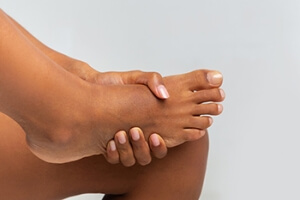
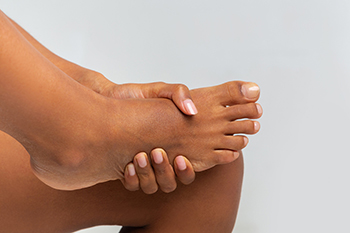
Foot pain can stem from a variety of common conditions, each requiring a different approach for relief and management. Athlete’s foot, a contagious fungal infection, often leads to itching and inflammation between the toes. Plantar warts, a highly contagious viral infection, appear on the soles of the feet and can be painful when pressure is applied. Corns, caused by friction or pressure, develop as hardened areas of skin, typically on the toes. Blisters form in response to the toes rubbing against the inside of a tight shoe. Ingrown toenails and cracked heels can also be particularly painful, especially when untreated. A chiropodist can assess these conditions, providing expert care and tailored treatment plans to alleviate discomfort and prevent further complications. If you have a foot problem, it is suggested that you schedule an appointment with a chiropodist.
Foot pain is a common problem treated by chiropodists. If you have foot pain, please consult with Cynthia Chan, B.Sc., D.Ch from Healthy Advantage Foot & Orthotic Clinic. Our practitioner can help you maintain the health of your lower limbs and your mobility.
When you are experiencing foot pain, it’s important to note the type of pain and its location, as this can help determine a diagnosis.
Pain in the top of the foot may be caused by:
- Stress fractures
- Sinus tarsi syndrome
- Extensor tendonitis
- Tibialis anterior tendonitis
- Gout
- Athlete’s foot
- Ganglion cysts
Pain in the bottom of the foot may be caused by:
- Plantar fasciitis
- Foot cramps
- Tarsal tunnel syndrome
- Plantar fibromatosis
- Posterior tibial tendonitis
- Stress fractures
- Flat feet
Pain on the side of the foot may be caused by:
- Ankle sprain
- Cuboid syndrome
- Peroneal tendonitis
- Stress fractures
- Bunions
- Corns or calluses
- Posterior tibial tendonitis
Heel pain may be caused by:
- Plantar fasciitis
- Achilles tendonitis
- Bone spurs
- Heel fractures
- Retrocalcaneal bursitis
- Sever’s disease
Pain in the toes may be caused by:
- Gout
- Hammertoe
- Turf toe
- Bunions
- Ingrown toenails
- Blisters
- Arthritis
These and many more conditions can be treated by a chiropodist. If you have any questions, please feel free to contact our office located in . We offer the newest diagnostic and treatment technologies for all your foot care needs.
Foot Pain
If you’re suffering from foot pain, it’s important to note the locations and quality of your foot pain. Pain can affect any part of the foot, including the top, bottom, side, heel, or toes. The pain may be sharp, stabbing, dull, achy, burning, or stinging, and can come on suddenly or develop gradually over time.
Pain in the top, bottom, or side of the foot can have many causes. In addition to the type of pain and its location, it’s also important to note when the pain started, what you were doing at the time, and what aggravates the pain. For example, pain in the top of the foot that worsens with physical activity or weight-bearing, that has gradually gotten worse over time, and is accompanied by swelling and tenderness could be indicative of a stress fracture.
Pain in the heel is a frequent concern, especially among patients who participate in sports, run, or wear high heels. Plantar fasciitis, an inflammation of the ligament that runs along the bottom of the foot and connects the heels to the toes, can cause stabbing heel pain. The pain is usually at its worst upon taking your first few steps in the morning or after a long rest and can radiate to the arch of the foot. Plantar fasciitis is also often associated with heel spurs, bony outgrowths on the heel bones that can be painful if they poke into the surrounding tissues.
Foot pain can be caused by not only injuries but also problems with the biomechanics of the feet and underlying health problems, like diabetes or peripheral neuropathy. If you’re experiencing foot pain, please seek the care of a chiropodist near you.
Common Foot Problems for Seniors
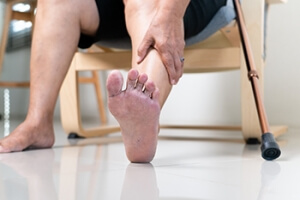
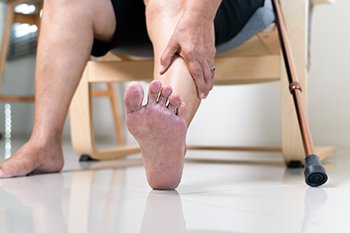
As people age, their feet undergo various changes that can affect mobility and overall well-being. Seniors often experience dryness, thinner skin, and thickened toenails, which may lead to discomfort and other foot problems. Fungal infections are common, and the feet may change in size, requiring adjustments in footwear. Proper foot care for seniors becomes especially important to maintain foot health and prevent complications. Regular visits to a chiropodist can help manage these changes effectively. A chiropodist can offer professional guidance on appropriate footwear, provide custom orthotic devices, and address issues such as nail disorders and dry skin. They can also perform minor procedures, like trimming thickened nails or treating corns and calluses, to prevent further problems. If you are an older adult with a foot problem, it is suggested that you schedule an appointment with a chiropodist for advice.
Foot problems can become increasingly common as we age, making everyday foot care especially important. To learn more about maintaining proper foot health, please consult with Cynthia Chan, B.Sc., D.Ch from Healthy Advantage Foot & Orthotic Clinic. Our practitioner will assess your condition and provide you with quality foot and ankle treatment.
Common Foot Problems
Certain foot problems may be more likely to affect older adults.
Some examples of foot conditions that can be common in older adults include:
- Dry, cracked skin
- Calluses and corns
- Blisters
- Ingrown toenails
- Deformities such as bunions or hammertoes
- Fungal infections
- Plantar warts
Systemic conditions, such as diabetes or arthritis, are also more likely to affect older people and manifest symptoms in the feet and ankles.
Daily Foot Care Tips
Having a daily foot care routine can help detect problems early on and prevent future issues.
Things that you can do at home to care for your feet include:
- Washing the feet daily with warm water, drying them thoroughly, and then applying a moisturizer
- Trimming the toenails straight across and not too short to prevent ingrown toenails
- Performing daily foot exercises to improve foot strength and mobility
- Wearing shoes when walking to avoid injury
- Inspecting the feet daily for any cuts, scrapes, sores, or other abnormalities and seeking prompt treatment if any problems are discovered
If you have any questions, please feel free to contact our office located in . We offer the newest diagnostic and treatment technologies for all your foot care needs.
Elderly Foot Care
Like any other part of the body, the feet are vulnerable to wear and tear throughout our lives. As we age, our feet may require more care and attention. Elderly people are especially prone to developing a variety of foot problems, including dry skin, corns, calluses, blisters, ingrown toenails, deformities, arthritis, fungal infections, and plantar warts. Additionally, systemic conditions such as diabetes or poor circulation can have noticeable effects on foot health.
The first step to preventing foot health problems at any age is to establish a good daily foot care routine. Washing the feet with soap and warm water daily, then drying them thoroughly is very important. Applying a moisturizer to the soles of the feet can help prevent dry skin. When trimming the toenails, use nail clippers to trim them straight across. This can prevent painful ingrown toenails. Doing daily foot exercises and stretches can help maintain the strength and flexibility of the feet.
A critical step of the daily foot care routine, especially for those who have systemic conditions like diabetes, is the daily foot inspection. Check your feet each day for any cuts, scrapes, sores, or other abnormalities. By catching and treating any foot problems early, you can prevent infection and other serious complications. A hand mirror can be used to help you see any hard-to-reach areas.
Another important aspect of caring for your feet is wearing the right shoes and socks. Footwear should be comfortable, supportive, flexible, and made of breathable materials. For some people, orthotic inserts can help make shoes more comfortable.
If you have any foot problems, or questions about maintaining the health of your feet, please consult with a chiropodist.
Get Proper Treatment for Ankle Injuries


If you're experiencing ankle pain, you may be suffering from an ankle injury. Sprains, fractures, Achilles tendonitis, and Achilles tendon ruptures are just some examples of potential ankle injuries. Don't wait for care for an ankle injury, as it may worsen over time. We can help!
Psoriatic Arthritis Can Negatively Affect the Lower Extremities


Psoriatic arthritis in the feet and ankles is a chronic inflammatory condition linked to psoriasis. It affects the joints and tendons, leading to pain, swelling, and stiffness, which can severely impact mobility and quality of life. The disease often targets the small joints in the toes, causing a characteristic sausage-like swelling known as dactylitis. It can also affect the Achilles tendon and the plantar fascia, resulting in heel pain and difficulty while walking. The inflammation in these areas may lead to permanent joint damage if left untreated. Treatment generally involves managing inflammation with anti-inflammatory medications or biologics, along with targeted exercises to maintain joint flexibility and strength. Custom orthotics can provide additional support and relieve pressure on affected areas, enhancing comfort and mobility. If you are suffering from psoriatic arthritis and it is impacting your lower limbs, it is strongly suggested that you visit a chiropodist for an early diagnosis and intervention to prevent long-term damage and to receive advice in maintaining an active lifestyle.
Osteoarthritis in the feet or ankles can be a painful and disabling condition that may interfere with your daily activities. If you have arthritis, please consult with Cynthia Chan, B.Sc., D.Ch from Healthy Advantage Foot & Orthotic Clinic. Our practitioner will assess your condition and provide you with quality foot and ankle treatment.
What Is Osteoarthritis?
Osteoarthritis is a condition in which the protective layer of cartilage in the joints breaks down over time. This loss of cartilage causes the bones to rub together during movement, leading to pain and inflammation. Osteoarthritis is associated with aging, and often affects the small joints of the feet and ankles.
Symptoms
Symptoms of osteoarthritis include:
- Joint pain
- Joint stiffness
- Swelling in or around the joint
- Restricted range of motion
- Difficulty walking
Diagnosis
Osteoarthritis can be diagnosed through physical examination. You may also need to have an X-ray taken to assess the extent of the damage caused by arthritis.
Treatment
Treatment for osteoarthritis focuses on reducing symptoms and improving the function of the affected joints. Conservative treatments include oral pain medications, orthotic devices, bracing or immobilizing the affected foot or ankle, steroid injections into the affected joint to reduce inflammation, and physical therapy. In more severe cases, surgery may be necessary.
If you have any questions, please feel free to contact our office located in . We offer the newest diagnostic and treatment technologies for all your foot care needs
Arthritic Foot Care
Osteoarthritis is a condition in which the cartilage located on the ends of joints deteriorates over time. Cartilage is very important, as it protects and cushions the bones during movement. Osteoarthritis is the most common type of arthritis and is associated with aging. It can affect any of the joints in the body, and frequently affects the joints of the feet and the ankles. Though rarer, osteoarthritis can also occur as a consequence of an injury, such as as a sprain or fracture, or as a result of abnormal foot biomechanics.
Symptoms of osteoarthritis include pain and stiffness in the joints, swelling, and difficulty walking or bending the joints. In some cases, bony protrusions called bone spurs can develop on the affected joints. Osteoarthritis is a progressive condition, meaning that it worsens over time. Diagnosing the condition early allows for earlier treatment, which can help preserve the health and function of your joints.
A variety of treatment options are available for osteoarthritis. Pain can often be minimized by taking nonsteroidal anti-inflammatory medications, getting steroid injections into the affected joints, and wearing orthotics. Bracing or immobilizing the affected foot or ankle may help reduce inflammation and prevent deformity of the joint. Doing specific exercises can help strengthen the muscles in the feet and ankles to prevent injuries. In cases where more conservative treatments have failed or in which arthritis has progressed significantly, surgery may be an option. If you have osteoarthritis in your feet or ankles, it is recommended that you consult with a chiropodist.
Risks of Ankle Sprains and Strains


Ankle sprains are common injuries, but certain factors can increase the risk. Engaging in physical activities without proper conditioning, such as skipping, stretching, and strengthening exercises, can put added strain on the ligaments in your ankle. Muscle and ligament fatigue, especially when pushing through the final stages of a rigorous activity, can also heighten vulnerability to injury. Failing to warm up properly before exercise is another risk, as tight muscles and ligaments are more prone to injury. Carrying excess weight also places extra stress on your joints and increases the chances of ligament or muscle damage. Gender and age play roles, too, with women over 30 and young males aged 15 to 24 showing a higher incidence of ankle sprains. Wearing inappropriate shoes, such as high heels on uneven surfaces or low-topped shoes during sports, also contributes to risk. If you have a history of ankle injuries, your likelihood of re-injury increases. If you have sustained an ankle injury, it is suggested that you schedule an appointment with a chiropodist for guidance.
When one or more ligaments in the ankle overstretch or tear due to injury, an ankle sprain occurs. If you would like to learn more about ankle sprains, please consult with Cynthia Chan, B.Sc., D.Ch from Healthy Advantage Foot & Orthotic Clinic. Our practitioner can help you maintain the health of your lower limbs and your mobility.
Symptoms of an ankle sprain vary depending on the severity of the injury, but may include:
- Pain
- Swelling
- Bruising
- Tenderness
- Difficulty walking
- Ankle instability
- A reduced range of motion in the ankle
Treatments for an ankle sprain may consist of:
- Resting the injured ankle
- Applying ice
- Elevating the ankle
- Compressing the ankle
- Over-the-counter pain medications
- Ankle braces or other devices to take weight off of the ankle
- Ankle exercises
- Surgery (in rare cases)
It’s important for the sprained ankle to heal correctly and fully in order to avoid repeated injury. If you have any questions, please feel free to contact our office located in . We offer the newest diagnostic and treatment technologies for all your foot care needs.