
Treatment Options for Ingrown Toenails
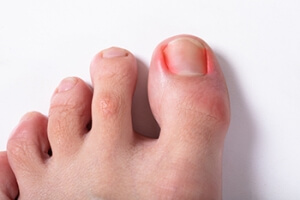
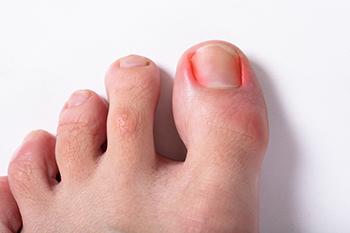 Ingrown toenails can be painful and bothersome, but many non-surgical treatments are available to alleviate symptoms. At the first sign of pain, soaking the affected toe in warm soapy water for up to 20 minutes can soften the skin, allowing you to push it back from the nail edge. Applying antiseptic or anti-inflammatory creams may prevent infection and soothe the skin. A chiropodist can assist with more advanced non-surgical methods, such as using small pieces of sterile cotton to lift the nail away from the skin and securing it with a gauze bandage. Special tools like toenail braces or plastic gutter splints, applied by a chiropodist, can help to keep the nail from pressing into the skin and allow it to grow normally. These treatments typically require patience, as it may take several months for the nail to grow out of the inflamed area. If you have severe pain or notice pus or persistent inflammation, it is advisable to consult a chiropodist immediately. For help in managing an ingrown toenail, it is suggested that you schedule an appointment with a chiropodist for an exam, diagnosis, and treatment.
Ingrown toenails may require medical attention. If you have significant pain or notice signs of infection from an ingrown toenail, please consult with Cynthia Chan, B.Sc., D.Ch from Healthy Advantage Foot & Orthotic Clinic. Our practitioner will assess your condition and provide you with quality foot and ankle treatment.
What Is an Ingrown Toenail?
An ingrown toenail occurs when the edges of a toenail grow into the surrounding skin. The toenails of the big toe are usually affected, however, an ingrown toenail can happen on any toe. Sometimes, the area can become infected leading to potentially serious complications. The ingrown toenail may be caused by improper trimming of the toenail, wearing ill-fitting shoes, or injury to the nail.
Symptoms
The symptoms of an ingrown toenail include:
-
Pain
-
Swelling
-
Redness
-
Warmth
-
Pus or drainage from the affected nail or a fever may indicate an infection of the area.
Treatment
Treatment depends on the severity of the ingrown toenail. In less severe cases, home treatment may be adequate. Soaking the affected foot in warm water and gently lifting the nail from the skin with a piece of clean cotton can help. In more severe cases, you may need to use topical or oral antibiotics to treat an infection. Surgical removal of the ingrown toenail may be required if more conservative treatments fail.
Ingrown toenails may be prevented by wearing well-fitted shoes and properly trimming the toenails. Toenails should be trimmed straight across and not too short when using nail clippers.
If you have any questions, please feel free to contact our office located in . We offer the newest diagnostic and treatment technologies for all your foot care needs.
Ingrown Toenails
Ingrown toenails occur when a toenail grows into the surrounding skin rather than over it. This can affect any toe, but most often happens on the big toe. Signs of an ingrown toenail include the surrounding skin becoming tender, painful, swollen, red, and warm. In some cases, the area can become infected, and white or yellow pus may drain from the area. If an ingrown toenail is showing signs of infection, it is recommended that you seek medical treatment.
Ingrown toenails are usually caused by wearing poorly fitting shoes or trimming the toenails improperly. Shoes that are too tight and have narrow, pointed toes or high heels can compress the toes and cause the toenails to curl and grow into the skin. Trimming your nails into a rounded shape or cutting them too short can cause the edges of the nail to grow into the skin. Other potential causes for ingrown toenails include sustaining an injury near the toenail, having a fungal nail infection, using certain prescription medications, and having an abnormal nail shape. Some people also have a genetic predisposition to developing ingrown toenails.
Preventing ingrown toenails begins with proper trimming. Trim your nails regularly using nail clippers rather than nail scissors. Nail clippers cut the nail straight across, avoiding the rounded edges that can make ingrown toenails likely to develop. Make sure that while trimming the nails that you do not cut them too short. Wear comfortable shoes with low heels and a wide toe area to keep your toes from squishing together.
For more information about ingrown toenails, please consult with a chiropodist.
Causes and Risk Factors of Toenail Fungus
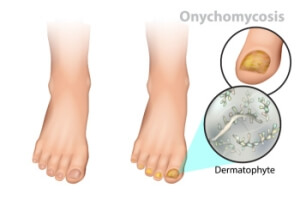
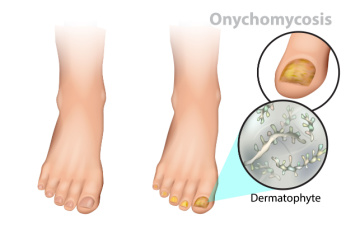
Toenail fungus is caused by the overgrowth of fungi such as dermatophytes and yeast in the toenail. These fungi can be airborne or naturally present on the skin, finding their way to the foot or toenail. They thrive in warm, humid environments, so damp or sweaty feet create ideal conditions for fungal proliferation. Any cracks or tears in the skin or nail can serve as entry points, allowing the fungi to penetrate deeper tissues. Once inside, they feed on the nail tissue, causing the nail to thicken, discolor, and detach from the nail bed as fungal debris accumulates. Common symptoms of toenail fungus include thickened, yellow, brown, or white nails that may develop cracks over time. While the infection often starts without pain, it can become progressively severe. Risk factors for toenail fungus include old age, previous nail trauma, and wearing tight footwear. Engaging in activities like running or swimming, and having conditions such as diabetes, blood circulation problems, are possible causes. If left untreated, toenail fungus can spread to surrounding skin, other nails, and even other parts of the body If you have developed a toenail infection, it is suggested that you schedule an appointment with a chiropodist for an exam, diagnosis, and treatment options.
Toenail fungus can be uncomfortable and unsightly. If you have diabetes or a compromised immune system, it may also be dangerous. To learn more about treatment options, please consult with Cynthia Chan, B.Sc., D.Ch from Healthy Advantage Foot & Orthotic Clinic. Our practitioner will assess your condition and provide you with quality foot and ankle treatment.
What Does Toenail Fungus Look Like?
A fungal infection of the toenail may cause the affected nail to become thickened, brittle, crumbly, and yellowish or brown in color. Sometimes the toenail may separate from the nail bed, become deformed, emit a foul odor, or cause pain or discomfort.
What Causes Toenail Fungus?
Toenail fungus is caused by a fungus that infects the nail bed. The fungus lives and thrives in warm and moist environments and is also contagious. Athlete’s foot, which is a fungal infection of the skin, may spread to the nails and cause toenail fungus.
What Treatments Are Available?
Potential treatments for toenail fungus may include oral antifungal medications, topical antifungal medications, such as medicated nail polishes that are applied directly to the affected nail, and laser therapy. Sometimes, a combination of treatments is prescribed.
If you have any questions, please feel free to contact our office located in . We offer the newest diagnostic and treatment technologies for all your foot care needs.
Treating Toenail Fungus
A fungal toenail infection, also known as onychomycosis, can be unsightly and uncomfortable. Infected nails often become thickened, brittle, crumbly, and discolored with white, yellow, or brown patches. The affected nails may also lift from the nail bed and emit a foul odor.
Fungal toenail infections are contagious and are caused by a fungus getting in, on, or under the toenails. Fungi thrive in moist, warm environments like public swimming pools, locker rooms, and showers, and many people contract fungal nail infections from walking barefoot in these environments. The fungus can also spread from person to person. For this reason, it is best to avoid sharing personal items like shoes, socks, and towels with an infected individual.
Certain factors can make one more likely to contract toenail fungus. People who have diabetes, poor circulation, or weakened immune system, are over the age of 65, wear artificial nails, have a toenail injury or damaged skin around their toenails, wear closed-toe shoes, and expose their feet to moisture for extended periods of time are at an increased risk of onychomycosis.
Treatment options for toenail fungus include oral medications and topical solutions such as medicated nail polishes and creams. Treatment can take several months to be effective, so it is recommended that you see a chiropodist as soon as you notice the symptoms of toenail fungus. For more information about this condition, please consult with a podiatrist.
Ankle Injuries From Football

 Football players are prone to various ankle injuries due to the sport's high impact and rapid directional changes. Common ankle injuries include sprains, fractures, and Achilles tendonitis. Ankle sprains occur when the ligaments are overstretched or torn, typically from sudden twists or impacts. Fractures result from direct blows or severe twists, leading to broken bones. Achilles tendonitis is the inflammation of the Achilles tendon, often from overuse or repetitive stress. These injuries happen due to the intense physical demands of football, including running, jumping, and tackling. Poor playing surfaces, inadequate warm-ups, and wearing improper footwear can increase the risk. Immediate treatment involves rest, elevation, and compression. Pain relievers and anti-inflammatory medications can help manage pain and swelling. Severe injuries may require immobilization, targeted stretching exercises, or perhaps surgery. Preventing ankle injuries includes proper conditioning, wearing supportive footwear, and performing exercises that strengthen the ankle muscles and improve flexibility. If you believe you have injured your ankle while playing football, it is suggested that you schedule an appointment with a chiropodist for specialized care to ensure a safe return to the field and prevent future injuries.
Injuries to the foot and ankle are very common among athletes. If you have experienced an injury, please consult with Cynthia Chan, B.Sc., D.Ch from Healthy Advantage Foot & Orthotic Clinic. Our practitioner will assess your condition and provide you with quality foot and ankle treatment.
Common Injuries Among Athletes:
-
Achilles tendon injuries
-
Ankle strains or sprains
-
Plantar fasciitis
-
Fractures
-
Turf toe
-
Joint dislocations
-
Sever’s disease
-
Morton’s neuroma
Symptoms
Symptoms will depend on the cause and severity of the injury. Common symptoms for a foot or ankle injury include pain, swelling, tenderness, bruising, a reduced range of motion, and difficulty bearing weight or walking on the affected foot or ankle.
Diagnosis
Sports injuries are typically diagnosed after carefully examining the affected foot or ankle. This includes moving the injured area to test its range of motion. Medical history will need to be provided, as well as detailed information about how the injury occurred. Imaging studies, such as X-rays or MRIs, may be used to confirm or rule out certain diagnoses.
Treatment
Just like symptoms, treatment will depend on the type of injury and its severity. Initial treatment for many sports injuries is aimed at controlling inflammation and promoting the healing response. The acronym R.I.C.E is a helpful guide to implement for most acute injuries. This method involves resting, icing, compressing, and elevating the affected foot or ankle. In addition, anti-inflammatory medications may be administered and orthotic devices may be prescribed. For more severe injuries, surgery may be required. Lastly, rehabilitation or physical therapy may be needed to gain full functionality in the afflicted area.
If you have any questions, please feel free to contact our office located in . We offer the newest diagnostic and treatment technologies for all your foot care needs.
Sports Related Foot and Ankle Injuries
Participating in sports is great for maintaining your health and fitness, but can sometimes result in injuries to your feet or ankles. Common sports-related foot and ankle injuries include Achilles tendonitis, ankle sprains, stress fractures, turf toe, and plantar fasciitis.
Achilles tendonitis is a common injury in which the Achilles tendon located at the back of your ankle becomes inflamed due to overuse or biomechanical issues with the feet. Symptoms of Achilles tendonitis include pain in the lower calf, swelling, stiffness, redness, warmth, and reduced strength and range of motion.
Ankle sprains occur when the ligaments in the ankle are overstretched or torn. Depending on the severity of the injury, you may experience symptoms such as localized pain, swelling, and bruising at the site of the sprain, a limited ability to move the affected ankle, and difficulty walking.
Stress fractures are fine cracks that occur in the bones when they can’t bear the load placed on them. These fractures often occur in the foot bones and get worse over time if they are not promptly diagnosed and treated. Symptoms of stress fractures in the feet include tenderness, deep and dull or sharp and localized pain, weakness, swelling, and bruising.
Turf toe is a sprain of the largest joint in the big toe. It can cause symptoms such as pain, swelling, or tenderness that vary in intensity depending on the severity of the injury.
Plantar fasciitis is an inflammation of the ligament that runs along the bottom of the foot. This condition usually causes stabbing heel pains, arch pain, and pain when taking your first steps after a long period of rest.
If you have injured your feet or ankles while playing sports, it is recommended that you see a chiropodist who can diagnose and treat your condition and get you back on your feet.
Causes and Types of Corns
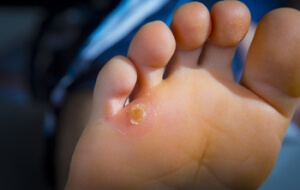
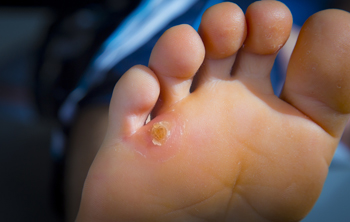
Corns are thickened areas of skin that develop due to repeated friction or pressure, typically on the feet. They often form from wearing ill-fitting shoes that rub against the skin, prolonged walking or standing, and foot deformities like hammertoes or bunions. Corns come in two main types, known as hard and soft. Hard corns are small, dense patches that usually develop on the tops or sides of toes. Soft corns are found between toes and have a rubbery texture due to moisture. Both types can cause discomfort and pain when walking or wearing shoes. Addressing the root cause, such as changing footwear, using protective pads, and keeping feet dry, is essential for preventing and managing corns effectively. Many people experience pain and discomfort with corns. If this applies to you, it is suggested that you consult a chiropodist who can effectively treat corns and offer you prevention tips.
Corns are small bumps or dry, hardened skin that can arise on the feet, usually in response to friction. Corns can be asymptomatic, or they can be uncomfortable or painful. If you have corns that are bothering you, please consult with Cynthia Chan, B.Sc., D.Ch from Healthy Advantage Foot & Orthotic Clinic. Our practitioner can help you maintain the health of your lower limbs and your mobility.
There are three types of corns:
-
Hard corns
-
Often occur on the tops of toes
-
Feature a hard core surrounded by dry, irritated skin
-
Can be painful
-
-
Soft corns
-
Often occur in between the toes
-
Soft due to constant exposure to sweat
-
Can be painful
-
-
Seed corns
-
Tiny
-
Often occur on the soles of the feet
-
Usually asymptomatic
-
Corns can be prevented by wearing shoes that fit properly. They are typically benign and don’t require medical treatment. However, if your corns are causing you pain or discomfort, don’t hesitate to reach out to a chiropodist near you for treatment options. If you have any questions, please feel free to contact our office located in . We offer the newest diagnostic and treatment technologies for all your foot care needs.
Corns on the Feet
Corns are hardened lumps of skin that are caused by excess friction. When wearing shoes or socks that don’t fit properly, the skin can become irritated from the shoes rubbing against them, or from squished toes rubbing against each other. This can lead to the development of a corn. Corns are usually benign, but they can sometimes cause discomfort or even pain. In those cases, seeking the care of a chiropodist is suggested.
There are three types of corns. Hard corns are commonly found on the tops of toes. They are characterized by a hard core surrounded by dry, irritated skin. Soft corns are typically found between the toes. They are soft due to continuous exposure to sweat. Seed corns are tiny and typically found on the soles of the feet. They usually do not cause any symptoms. Generally speaking, corns can be uncomfortable or painful when excess pressure is applied to them while standing, walking, or wearing poorly-fitted shoes or socks.
The best way to prevent corns is to wear shoes and socks that fit properly. Pain from a corn can be relieved by using over-the-counter corn pads, soaking your feet in lukewarm water, exfoliating and moisturizing the skin of the feet, and wearing comfortable shoes and socks. If these measures don’t help, then you may want to consult with a chiropodist for more treatment options.
Feet and Aging
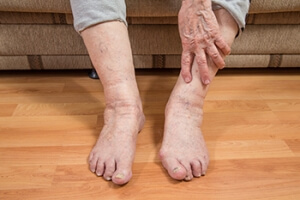
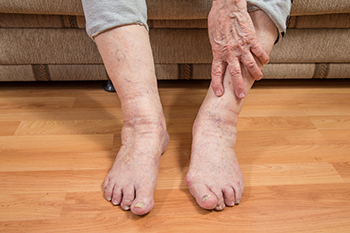 Foot problems are common in older adults, often resulting from the natural aging process, which can lead to changes in foot structure and function. Common issues include arthritis, bunions, hammertoes, and decreased circulation. Additionally, the skin on the feet becomes thinner and has less elasticity, making it more susceptible to injuries and infections. These foot issues can significantly increase the risk of falls, a major concern for older adults. These problems occur due to a combination of factors such as years of wear and tear, decreased physical activity, and underlying health conditions like diabetes or vascular disease. Poor foot care, wearing inappropriate footwear, and reduced mobility can exacerbate these issues. To manage foot problems in older adults, regular foot examinations are essential. Wearing comfortable, supportive shoes, maintaining good foot hygiene, and staying active to promote circulation can help. Moisturizing the feet to prevent dryness and using orthotic inserts for added support is also beneficial. If you are elderly, it is suggested that you include a chiropodist on your healthcare team to ensure comprehensive foot care and advice in addressing any issues promptly and effectively.
Foot problems can become increasingly common as we age, making everyday foot care especially important. To learn more about maintaining proper foot health, please consult with Cynthia Chan, B.Sc., D.Ch from Healthy Advantage Foot & Orthotic Clinic. Our practitioner will assess your condition and provide you with quality foot and ankle treatment.
Common Foot Problems
Certain foot problems may be more likely to affect older adults.
Some examples of foot conditions that can be common in older adults include:
-
Dry, cracked skin
-
Calluses and corns
-
Blisters
-
Ingrown toenails
-
Deformities such as bunions or hammertoes
-
Fungal infections
-
Plantar warts
Systemic conditions, such as diabetes or arthritis, are also more likely to affect older people and manifest symptoms in the feet and ankles.
Daily Foot Care Tips
Having a daily foot care routine can help detect problems early on and prevent future issues.
Things that you can do at home to care for your feet include:
-
Washing the feet daily with warm water, drying them thoroughly, and then applying a moisturizer
-
Trimming the toenails straight across and not too short to prevent ingrown toenails
-
Performing daily foot exercises to improve foot strength and mobility
-
Wearing shoes when walking to avoid injury
-
Inspecting the feet daily for any cuts, scrapes, sores, or other abnormalities and seeking prompt treatment if any problems are discovered
If you have any questions, please feel free to contact our office located in . We offer the newest diagnostic and treatment technologies for all your foot care needs.
Elderly Foot Care
Like any other part of the body, the feet are vulnerable to wear and tear throughout our lives. As we age, our feet may require more care and attention. Elderly people are especially prone to developing a variety of foot problems, including dry skin, corns, calluses, blisters, ingrown toenails, deformities, arthritis, fungal infections, and plantar warts. Additionally, systemic conditions such as diabetes or poor circulation can have noticeable effects on foot health.
The first step to preventing foot health problems at any age is to establish a good daily foot care routine. Washing the feet with soap and warm water daily, then drying them thoroughly is very important. Applying a moisturizer to the soles of the feet can help prevent dry skin. When trimming the toenails, use nail clippers to trim them straight across. This can prevent painful ingrown toenails. Doing daily foot exercises and stretches can help maintain the strength and flexibility of the feet.
A critical step of the daily foot care routine, especially for those who have systemic conditions like diabetes, is the daily foot inspection. Check your feet each day for any cuts, scrapes, sores, or other abnormalities. By catching and treating any foot problems early, you can prevent infection and other serious complications. A hand mirror can be used to help you see any hard-to-reach areas.
Another important aspect of caring for your feet is wearing the right shoes and socks. Footwear should be comfortable, supportive, flexible, and made of breathable materials. For some people, orthotic inserts can help make shoes more comfortable.
If you have any foot problems, or questions about maintaining the health of your feet, please consult with a chiropodist.