
What Is Sever’s Disease?
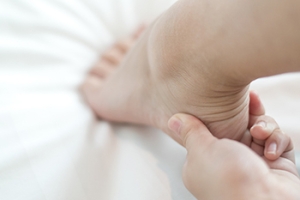
 Sever’s disease, also known as calcaneal apophysitis, refers to an inflammation of the growth plate in the heel. It is one of the most common foot injuries in children and adolescents between the ages of 8 and 14. It is especially common in children who are involved in sports activities such as soccer, running, or basketball. Symptoms of Sever’s disease include pain in the back or bottom of the heel, pain when the sides of the heel are squeezed, difficulty running, jumping, or walking, limping, walking on the toes to avoid putting pressure on the heels, and tiredness. There are various treatments for Sever’s disease including resting the foot by stopping or reducing participation in the activity that caused it, supporting the heel with shoe inserts or custom orthotics, and taking oral medications to reduce pain and inflammation. If your child complains of heel pain, it is highly recommended that you take them to see a chiropodist.
Sever’s disease typically affects young children and teenagers. If your child complains of foot pain, please consult with Cynthia Chan, B.Sc., D.Ch from Healthy Advantage Foot & Orthotic Clinic. Our practitioner will assess your condition and provide you with quality foot and ankle treatment.
What Is Sever’s Disease?
Sever’s disease, also known as calcaneal apophysitis, is an inflammation of the growth plate in the heel bone. It is typically caused by overuse due to repetitive activities such as running, jumping, and playing certain sports. This condition most frequently affects children between the ages of 8 and 14.
Symptoms
Symptoms of Sever’s disease include:
- Pain in the back or bottom of the heel
- Pain when the sides of the heel are squeezed
- Limping or walking on tiptoes to avoid putting pressure on the heel
- Difficulty running, jumping, or participating in usual activities
- Fatigue
Diagnosis
Sever’s disease is diagnosed by taking a thorough medical history and performing a physical examination. Imaging studies, such as an X-ray, can help rule out other injuries like a fracture.
Treatment
Sever’s disease typically heals without any long-term complications. Treatment involves resting the affected foot by reducing typical activities, wearing orthotics to support the foot, immobilizing the affected foot, taking medications to reduce pain and inflammation, and stretching the foot.
If you have any questions please feel free to contact our office located in Scarborough, ON .
Sever's Disease
Sever’s disease, also known as calcaneal apophysitis, is a foot condition that occurs in children. Sever’s disease is not truly a disease, but rather an overuse injury. It is common among active children between the ages of 8 and 14. Young, growing children have a growth plate in their heels, where new bone is forming. When too much stress is put on the heel, the growth plate can become inflamed, leading to heel pain.
Children who participate in activities that put repetitive stress on the heel bone are most at risk of developing Sever’s disease. These activities include playing soccer or basketball, running track, or any other sport or activity that involves running, jogging, or jumping. Children who are obese, have tight Achilles tendons, biomechanical problems, flat feet, or fallen arches are also at risk.
The symptoms of Sever’s disease include pain in the back or bottom of the heel, pain when the sides of the heel are squeezed, and fatigue. The pain may lead to difficulties walking or bearing weight on the affected foot, and you may notice your child limping or walking on their toes to avoid putting pressure on the heel. A chiropodist can diagnose Sever’s disease by taking a medical history and performing a physical examination. Imaging studies such as X-rays may also be ordered.
Sever’s disease is generally treated by resting the affected foot, wearing shoes or orthotics that support the heel, and taking nonsteroidal anti-inflammatory medications to reduce pain and inflammation. In severe cases of heel pain, the affected foot may need to be immobilized with a cast while it heals. If your child is complaining of heel pain, please consult with a chiropodist.
Why Live with Pain and Numbness in Your Feet?

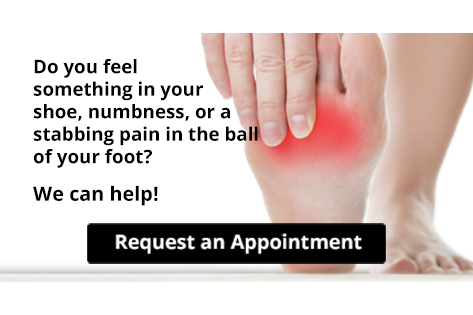
Suffering from this type of pain? You may have the foot condition known as Morton's neuroma. Morton's neuroma may develop as a result of ill-fitting footwear and existing foot deformities. We can help.
Understanding Stress Fractures in the Feet
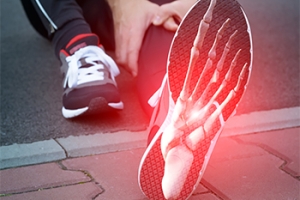
 Stress fractures, or hairline fractures as they are sometimes called, are small cracks that develop in a bone when it is unable to handle the weight placed on it. Because the feet bear the weight of the entire body and are also heavily involved in our mobility, stress fractures frequently occur in the foot bones. Stress fractures are often caused by overuse or doing repetitive activities that place stress on the foot, such as running or dancing. Symptoms of a stress fracture include tenderness, deep and dull pain, weakness, swelling, and bruising. Without treatment, stress fractures can worsen over time. If you are experiencing the symptoms of a stress fracture, it is recommended that you seek treatment from a chiropodist.
A stress fracture often requires medical attention as it can progress and worsen over time. Please consult with Cynthia Chan, B.Sc., D.Ch from Healthy Advantage Foot & Orthotic Clinic. Our practitioner will assess your condition and provide you with quality foot and ankle treatment.
A stress fracture refers to a fine crack in a bone. This type of fracture is especially common in the feet, as they often endure repetitive pressure from daily activities such as walking or running. Stress fractures occur when the affected bone can not support the load being placed on it. Stress fractures in the foot can occur in any bone, but often affect the metatarsal bones which connect the toes to the rest of the foot, the heel bone, or the navicular bone on the top of the foot.
Symptoms
Symptoms of a stress fracture may include:
- Deep, dull pain
- Sharp, localized pain
- Intermittent pain
- Tenderness
- Weakness
- Swelling
- Bruising
- Changes in the biomechanics of the foot
Diagnosis
Stress fractures in the foot are diagnosed via medical history and a physical exam. You may also need to have diagnostic imaging tests like X-rays, MRIs, CT scans, bone scans, or an ultrasound performed to confirm the diagnosis and to rule out any other problems.
Treatment
Nonsurgical treatment options include resting, icing, compressing and elevating the affected foot, taking nonsteroidal anti-inflammatory pain medications, modifying your footwear, wearing a cast, and using crutches. Certain types of foot fractures, such as navicular fractures, respond poorly to nonsurgical treatment and may need surgery to fully heal.
If you have any questions please feel free to contact our office located in Scarborough, ON .
Stress Fractures
Stress fractures are small, fine cracks that can happen in the bones of the feet. Stress fractures occur when the affected bones are not able to bear the weight placed on them. They are often the result of repetitive overuse and injury from activities such as running, jumping, or dancing and are therefore common in athletes. Stress fractures are also more likely to occur in people who have other health conditions, such as osteoporosis, bunions, tendinitis, or abnormal foot biomechanics.
While stress fractures can occur in any bone in the foot, they are most common in the metatarsal bones, the calcaneus bone, and navicular bone. The metatarsal bones are in the center of the foot and connect the toes to the rest of the midfoot region. The second and third metatarsal bones, which connect the second and third toes to the midfoot, are the most likely bones to incur a stress fracture. The calcaneus, or heel bone, is located at the back of the foot and is the second most common site of stress fractures in the feet. The navicular bone is located near the top of the foot.
The symptoms of a stress fracture include pain, tenderness, weakness, bruising, and swelling. This can lead to difficulty putting weight on the affected foot, which may change your gait or manner of walking. Symptoms usually have a gradual onset and become progressively worse over time. Without treatment, a stress fracture may progress to a full fracture, in which the bone breaks completely. The affected bone can also move out of proper alignment, causing more pain.
Stress fractures are diagnosed through a physical examination. Imaging studies, such as X-rays, bone scans, ultrasounds, or MRIs may be needed to confirm the diagnosis or to rule out other causes for your symptoms. Treatment for a stress fracture depends on the severity of the injury. You may be asked to cease certain weight-bearing activities and to rest, ice, compress, and elevate the affected foot to help it heal. Protective footwear, a cast, or crutches may be provided to protect and stabilize your foot while it heals. Surgery may be necessary if the stress fracture has occurred in an area that does not typically heal well through non-surgical means, such as the sesamoid bones.
If you are experiencing the symptoms of a stress fracture in your foot, please consult with a chiropodist.
What Is Athlete's Foot?
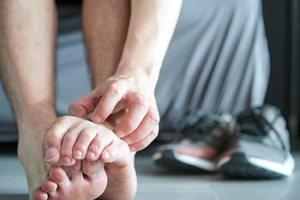
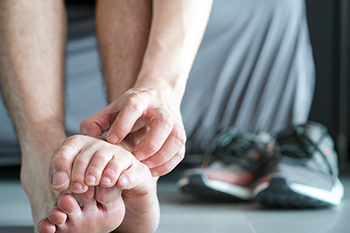 Athlete’s foot is a fungal infection of the skin on the feet. This fungus lives and thrives in warm, moist environments. Walking barefoot in public places such as swimming pools and locker room areas, sharing personal items like shoes and socks, having excessively sweaty or wet feet, or having a minor skin or nail injury on your foot can all make you more susceptible to athlete’s foot. If you have developed athlete’s foot, you may find that the skin on your feet is itchy, dry, cracking, peeling, or raw, especially in between your toes and on the soles of your feet. Potential treatments for athlete’s foot include oral and topical medications. If you are afflicted with athlete’s foot, a chiropodist can help find the right treatment for you.
Athlete’s foot can be uncomfortable and unsightly. To learn more about preventing and treating this condition, please consult with Cynthia Chan, B.Sc., D.Ch from Healthy Advantage Foot & Orthotic Clinic. Our practitioner will assess your condition and provide you with quality foot and ankle treatment.
What Is Athlete’s Foot?
Athlete’s foot refers to an infection of the skin on the feet that is caused by a fungus. This fungus is contagious and thrives in warm and moist environments. It is often spread in common areas such as public pools, locker rooms, and showers. It can also spread when sharing personal items, like shoes or towels, with an infected person.
Symptoms
The symptoms of athlete’s foot may include:
- Itching, stinging, or burning of the skin on the feet
- Cracking or peeling skin, especially between the toes and on the soles of the feet
- Scaly, red rash on the foot
- Blisters
- Foul odor
Treatment
Treatment for athlete’s foot typically involves using over-the-counter topical antifungal medications on the feet. When over-the-counter options are ineffective, you may need to take prescription oral medications or topical antifungal drugs, or a combination of both.
Prevention
Preventing athlete’s foot places an emphasis on good foot hygiene practices.
You can prevent athlete’s foot by:
- Washing and drying your feet thoroughly every day
- Wearing shoes when walking in public areas
- Not sharing personal items, like shoes or socks, with others
- Wearing shoes and socks made out of breathable materials
If you have any questions please feel free to contact our office located in Scarborough, ON .
Athlete's Foot
Athlete’s foot, also known as tinea pedis, is a fungal infection of the skin of the feet. The fungus that causes athlete’s foot lives and thrives in warm, moist environments such as public swimming pools, locker rooms, and showers. This fungus can infect the feet through a cut or crack in the skin. Athlete’s foot is also highly contagious, and the fungus can spread from person to person through sharing personal items such as shoes, socks, or towels.
The symptoms of athlete’s foot include itching, stinging, or burning between your toes or on the soles of your feet, itchy foot blisters, and dry, cracked, or peeling skin on the feet. The infection can also spread to your toenails, leading to discoloration, thickening, and crumbling.
Through a physical examination, athlete’s foot can be diagnosed by your chiropodist based on its symptoms. Sometimes, a skin test may be ordered to confirm the diagnosis. Athlete’s foot can be treated with both oral and topical over-the-counter or prescription medications. You can prevent a fungal infection by maintaining good foot hygiene, wearing shoes when walking in public areas, avoiding sharing personal items with others, and keeping your feet clean and dry.
Tips to Find the Right Shoe for You

 Going shoe shopping can be difficult. There are many factors to consider when purchasing a new pair of shoes. One of the most important factors is the correct size shoe. A quality-made and comfortable shoe should fit your foot properly. Having the right fit can also relieve and prevent certain foot conditions. To find the right size shoe, it is helpful to shop at a brick-and-mortar shoe store. Here, a salesperson can measure your foot and ensure you try on the correct size shoes. It is recommended to go shoe shopping towards the end of the day, when the feet tend to be at their largest due to natural swelling. Buying shoes that fit your feet when they are at their largest, will ensure that they fit comfortably throughout the day. It is also suggested that you wear the socks you intend to wear with the shoes. When you try on the shoes, walk around the store and make sure they feel comfortable. For more tips on how to find the right shoes for you, consult with a chiropodist today.
Finding the right shoes for you can ensure your comfort and help maintain proper foot health. If you suffer from foot pain and need help finding the right shoes for you, please consult with Cynthia Chan, B.Sc., D.Ch from Healthy Advantage Foot & Orthotic Clinic. Our practitioner will assess your condition and provide you with quality foot and ankle treatment.
Tips to Find Great Shoes
Finding shoes that are well-fitting, supportive, and comfortable can be key in maintaining your overall foot health, but can sometimes seem like a monumental task.
Here are some tips and tricks to keep in mind when shopping for shoes.
- Shop in a brick and mortar store - Your shoe size can change throughout your lifetime. You will be able to try on shoes before you buy them to ensure a proper fit. A salesperson can also provide recommendations on what shoes best serve your specific needs.
- Try shoes on at the end of the day - Your feet swell throughout the day. By trying shoes on in the evening when the feet are at their largest, you ensure a good fit and shoes that are comfortable all day.
- Have your feet measured - Find the right fit by having your feet measured at the shoe store. A salesperson can help by measuring both feet with a Brannock device to determine your true size.
- Opt for comfort and support - Some shoes, such as high heels and flip flops, may look great but can cause damage to the feet over time. Look for shoes that have a low heel, adequate arch support, a wide toe box, and are made of breathable materials.
If you have any questions please feel free to contact our office located in Scarborough, ON .
Getting the Right Shoe Size
Finding shoes that fit properly can be a challenging undertaking - but the results are well worth it. Wearing shoes that fit correctly is one of the most important things that you can do to prevent a variety of foot problems. From plantar fasciitis to hammertoes to neuromas, improper footwear is often a major contributor to foot pain and deformity.
When shopping for shoes, it is strongly suggested that you get your feet professionally measured at the shoe store. Although you may think you know your shoe size - after all, you’ve been wearing the same size for years - your feet might be larger than you think. In addition to age-related foot changes that can make the feet flatter and wider, and therefore a larger size, your feet also naturally swell throughout the day. They are typically at their largest in the later afternoon to early evening. This is a great time to go shoe shopping, because if the shoes you try on fit your foot comfortably when it is at its largest, then they will likely fit comfortably throughout the day.
Once you’ve learned your current shoe size, search for shoes that are comfortable right away. Some people erroneously believe that shoes need to be “broken in” in order to be comfortable, but the truth is that the right shoes should be comfortable from the moment you put them on. If you are shopping for shoes that are closed in the front and back, such as running shoes or dress shoes, make sure that they have plenty of room. There should be a half-inch of space between the end of your longest toe and the end of the front of the shoe, as well as an eighth inch of space between the back of the heel and the shoe.
To learn more about how to find the right shoes for you and maintain the health of your feet, please consult with a chiropodist.
Why Does My Foot Hurt?
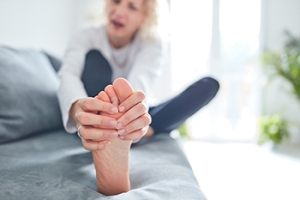
 Foot pain is a common symptom for a variety of different foot conditions. The location of pain within the foot may help determine what the cause is. Heel pain is often associated with plantar fasciitis, an inflammation in the band of tissue that runs along the bottom of the foot connecting the heel bone to the toes. Stone bruises are deep bruises on the fat pad of the heel, and heel spurs are irregular bone growths on the bottom of the heel. Both conditions are also causes of foot and heel pain. Pain in the ball of the foot can be caused by conditions like metatarsalgia, Morton’s neuroma, and sesamoiditis. Pain in the arch of the foot may be caused by flat feet, but more commonly, arch pain is caused due to plantar fasciitis. Toe pain can be caused by gout, arthritis, foot deformities like hammertoes or bunions, ingrown toenails, or injuries to the toe such as a strain, sprain, or fracture. To determine the cause of your foot pain and to find the best treatment, consult with a chiropodist today.
Foot pain can have many causes. To receive an accurate diagnosis and treatment for your foot pain, please consult with Cynthia Chan, B.Sc., D.Ch from Healthy Advantage Foot & Orthotic Clinic. Our practitioner will assess your condition and provide you with quality foot and ankle treatment.
Causes
There are a variety of different conditions that can cause foot pain, including:
- Plantar fasciitis
- Deformities, such as bunions or hammertoes
- Injuries to the muscles, bones, tendons, or ligaments in the feet
- Arthritis
- Flat feet
- Ingrown toenails
Symptoms
The type and location of your foot pain can help determine what may be causing it and what type of treatment options are best for you.
Common types of foot pain include:
- Heel pain
- Arch pain
- Toe pain
- Ball of foot pain
- Pain that has a stabbing, burning, or tingling quality
- Pain that is constant, intermittent, or that gets better or worse depending on the situation
Diagnosis
A thorough medical history and physical examination of your feet will be required to determine a diagnosis. Imaging studies, such as X-rays or MRIs may be performed to rule out or confirm certain diagnoses.
Treatment
Treatment will depend on the cause of the pain. Common treatments for foot pain include resting, icing, compressing, and elevating the affected foot, wearing orthotics, or taking anti-inflammatory medications.
If you have any questions please feel free to contact our office located in Scarborough, ON .