
Ankle Sprains
A sprained ankle is a common injury that can happen to anyone. Whether you incur it while playing a high-impact sport or from simply stepping off of a curb and twisting your ankle, it’s important to know and recognize the symptoms of a sprain and get the appropriate treatment.
Ankle sprains occur when a sudden injury causes one or more of the ligaments that support the ankle to overstretch or tear. The symptoms that you may face depend on the severity of the injury. A mild, grade 1 sprain usually involves minimal pain, swelling, tenderness, and bruising, with no difficulty walking. A moderate, grade 2 sprain may be significantly more painful, with visible swelling and bruising, ankle instability, and a limited range of motion in the ankle. Walking or bearing weight on the affected ankle can be difficult. A severe, grade 3 sprain is characterized by intense pain, swelling, bruising, ankle instability, and a severely limited range of motion. Walking with a grade 3 sprain is often impossible.
A chiropodist can diagnose an ankle sprain by asking for your medical history and carefully examining the affected ankle. They may order an X-ray to rule out a fracture. Treatment for the sprain depends on its severity. Milder ankle sprains can often be treated with conservative methods such as resting, icing, elevating, and compressing the ankle. More severe sprains may require wearing a brace or other orthotic device to take pressure off of the injured ankle. Over-the-counter medications are typically sufficient for managing pain. In very rare cases, surgery may be needed to repair a ligament that is not healing properly.
A sprained ankle needs to heal fully and properly in order to avoid reinjury and other complications. If you have sprained your ankle, please seek the care of a chiropodist.
Causes and Concerns of Wide Feet

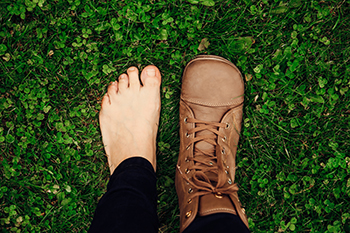
Wide feet can be a source of discomfort, particularly when ill-fitting shoes are involved. Several factors contribute to having wide feet. Genetics play a significant role as some individuals are simply born with a broader foot structure, often associated with flat feet. When people age, ligaments and tendons loosen, potentially causing the foot to widen. Pregnancy can also lead to wider feet due to hormonal changes that relax the ligaments. Foot deformities, such as bunions and calluses, and conditions like edema can also increase foot width. Wearing shoes that do not properly accommodate wide feet can lead to painful issues, including bunions, calluses, and hammer toes. Seeking footwear with ample width and a roomy toe box can alleviate some of these concerns. A chiropodist can help identify and address any underlying issues related to abnormal foot width. If you have foot pain related to wide feet, it is suggested that you schedule an appointment with a chiropodist for advice.
The biomechanics of your feet play an important role in your foot health. To learn more, please consult with Cynthia Chan, B.Sc., D.Ch from Healthy Advantage Foot & Orthotic Clinic. Our practitioner can help you maintain the health of your lower limbs and your mobility.
Foot biomechanics refers to the study of the structure, function, and motion of the feet. The feet and ankles are a complex system consisting of many bones, joints, ligaments, muscles, and tendons that work together to move your feet. Understanding the unique biomechanics of your own feet can help you and your chiropodist make informed decisions about your foot health care. This includes decisions about the best preventive measures to avoid foot pain, the best treatment options for various foot problems, and finding the best shoes for your feet.
If you have any questions, please feel free to contact our office located in . We offer the newest diagnostic and treatment technologies for all your foot care needs.
Biomechanics of the Feet
Foot biomechanics is an area of foot care that examines the structure, function, and motion of the feet. When these factors are carefully examined, they can provide more information about potential causes of foot and ankle pain and help your chiropodist find the best treatments for the unique needs of your feet.
The study of biomechanics dates back to ancient times but became more well known in modern history when findings claimed that changing or controlling the forces between the ankle and foot can lead to positive clinical outcomes when treating various foot and ankle conditions.
The advent of modern technology, such as computer analysis, has continued to expand on these discoveries and helps medical professionals make informed decisions about patient care. Understanding the biomechanics of the feet can help in the diagnosis of various conditions and prescribing targeted treatments that reduce or eliminate pain. For example, a chiropodist can analyze your gait, or walking pattern, and determine if there are any abnormalities that can be treated with custom orthotics or footwear modifications.
Causes of Pain in the Big Toe
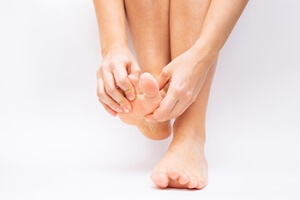
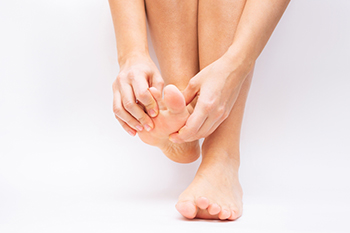
Big toe pain can stem from various causes that significantly affect your daily activities and overall comfort. One common cause of big toe pain is injury, particularly in athletes who might sprain, bruise, or even fracture their big toe. Osteoarthritis, common in middle-aged and elderly individuals, leads to joint pain and stiffness. Rheumatoid arthritis causes severe inflammation and potential toe deformities. Bunions, often worsened by wearing tight footwear, enlarge the base of the toe, causing considerable discomfort. Gout, a form of arthritis due to high uric acid levels, frequently affects the big toe, resulting in acute pain and inflammation. Additionally, Raynaud phenomenon, triggered by cold exposure, constricts blood vessels, leading to soreness. A chiropodist can diagnose the big toe to determine the cause and how to manage it. If your big toe hurts, it is suggested that you schedule an appointment with a chiropodist for a diagnosis and treatment solutions.
Toe pain is common and can have a variety of causes. Causes can range from a broken toe to an ingrown toenail. Many types of toe pain can be corrected, but any toe pain that inhibits your activities for an extended period should be discussed with a chiropodist. If you suffer from toe pain, please consult with Cynthia Chan, B.Sc., D.Ch from Healthy Advantage Foot & Orthotic Clinic. Our practitioner can help you maintain the health of your feet.
Common Causes of Toe Pain
- Trauma or fracture
- Cuts, sores, or bruises
- Rheumatoid arthritis
- Gout
- Turf Toe
- Morton’s neuroma
- Blisters
- Corns
- Bunions
- Hammertoes
- Ingrown toenails
- Plantar warts
- Athlete’s Foot
Symptoms of Toe Pain
- Toe deformity
- Burning
- Numbness
- Toenail deformity
- Wart or ulcer
- Swelling
- Redness
When to See a Chiropodist
- Bleeding or severe swelling
- Trauma, such as a broken bone
- Discoloration or extreme swelling
- Inability to bear weight
- Persistent pain
- Wounds that won’t heal
Diagnosis of Toe Pain
A chiropodist can conduct a thorough examination of the painful toe or toes in order to determine the best course of treatment. The exam may include assessing the tenderness of the area, taking an X-ray or other diagnostic test, or assessing your gait and range of motion. A discussion of what led to the advanced pain issue may follow. Included will likely be a health history, as well as a list of medications you are taking and other previous injuries you may have sustained.
Treatment for Toe Pain
With such a wide range of possible causes for toe pain, treatment can be varied in scope and length. Sometimes, the chiropodist will recommend lifestyle and activity changes. In cases of trauma or other injuries, X-rays or imaging tests will likely be used to determine the severity of the problem, particularly if any bones have been broken. Treatment may also include injections of pain-relief medication or anti-inflammatory drugs. Certain injuries will require the splinting, bracing, or wrapping of injured toes. Orthotics or special shoes may be prescribed in cases of bone deformities and gait issues. Removal of warts, calluses, and corns may be needed. In other cases, such as with patients who have diabetes or rheumatoid arthritis, ongoing treatment may be required to avoid more serious problems.
Toe Pain
The toes are hard at work every time you stand, walk, run, hop, skip, or jump. They help to push the foot off the ground and to keep you balanced. When a toe is in pain it can negatively impact your normal daily activities. Among the numerous causes for toe pain, the chief one is trauma, such as stubbing a toe or dropping something heavy on it. This often causes severe bruising and affects your ability to bear weight. Other common causes of toe pain are bunions, hammertoes, nerve damage, and toenail problems. In addition, toe pain can be caused by gout (a type of arthritis), rheumatoid arthritis, sprains, or warts. Further causes include toenail infections, ingrown toenails, and athlete’s foot infections. Treatment by a chiropodist varies according to the underlying cause of the pain. In case of a broken or severely bruised toe, the remedy is usually to brace or splint the toe. Certain medications can be prescribed to relieve pain and injections may be administered. X-rays and imaging tests may be performed to determine the cause and severity of the toe pain. Custom orthotics may also be prescribed and fitted to counteract toe deformities or other problems. If your toe pain continues or worsens, it is suggested that you visit a chiropodist for an exam, diagnosis, and appropriate treatment options.
Stop Your Toenail Fungus
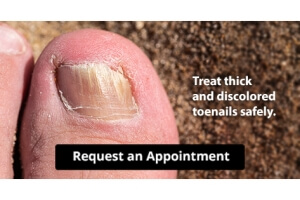
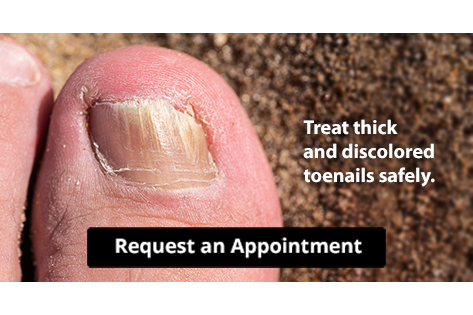
Have you noticed discoloration of your toenails? Have they become thickened or brittle? If so, you may be experiencing symptoms of a fungal nail infection. For some, having a fungal nail can be embarrassing. Overcome your embarrassment, and get treated.
What to Do About Foot Pain
Foot pain can arise from various conditions, each requiring different management strategies. Plantar fasciitis, characterized by heel pain, occurs due to inflammation of the plantar fascia. Relief can come from practicing stretching exercises, wearing proper footwear, and orthotics that can provide arch support. Achilles tendinitis causes pain at the back of the heel, often due to overuse. Rest and calf stretches can reduce inflammation. Metatarsalgia, or pain in the ball of the foot, typically results from high-impact activities or wearing ill-fitting shoes. Cushioning insoles and avoiding high heels can alleviate discomfort. Bunions, painful bony bumps on the side of the foot, often result from wearing tight shoes. Switching to wider footwear and using bunion pads can help. For general foot pain, maintaining a healthy weight, wearing supportive shoes, and practicing good foot hygiene are important. If you suffer from persistent or severe foot pain, it is suggested that you consult with a chiropodist, who can provide a thorough diagnosis and recommend a tailored treatment plan to address the underlying cause effectively.
Foot pain can have many causes. To receive an accurate diagnosis and treatment for your foot pain, please consult with Cynthia Chan, B.Sc., D.Ch from Healthy Advantage Foot & Orthotic Clinic. Our practitioner will assess your condition and provide you with quality foot and ankle treatment.
Causes
There are a variety of different conditions that can cause foot pain, including:
-
Plantar fasciitis
-
Deformities, such as bunions or hammertoes
-
Injuries to the muscles, bones, tendons, or ligaments in the feet
-
Arthritis
-
Flat feet
-
Ingrown toenails
Symptoms
The type and location of your foot pain can help determine what may be causing it and what type of treatment options are best for you.
Common types of foot pain include:
-
Heel pain
-
Arch pain
-
Toe pain
-
Ball of foot pain
-
Pain that has a stabbing, burning, or tingling quality
-
Pain that is constant, intermittent, or that gets better or worse depending on the situation
Diagnosis
A thorough medical history and physical examination of your feet will be required to determine a diagnosis. Imaging studies, such as X-rays or MRIs may be performed to rule out or confirm certain diagnoses.
Treatment
Treatment will depend on the cause of the pain. Common treatments for foot pain include resting, icing, compressing, and elevating the affected foot, wearing orthotics, or taking anti-inflammatory medications.
If you have any questions, please feel free to contact our office located in . We offer the newest diagnostic and treatment technologies for all your foot care needs.
Foot Pain
Foot pain is a common symptom of a large variety of injuries and medical conditions. A diagnosis can be narrowed down by describing the locations and type of pain that you are experiencing.
Pain in the heel is often caused by plantar fasciitis, an inflammation of the ligament that runs along the bottom of the foot and connects the heel to the toes. Plantar fasciitis usually causes stabbing heel pains and the pain is at its worst upon arising in the morning or when taking your first steps after a long period of rest. Heel pain can also be caused by heel spurs, bruises on the fat pad of the heel, or heel fractures.
Pain in the ball of the foot can be caused by Morton’s neuroma, in which the tissue of the nerves between the bases of the toes become thickened, causing tingling and numbness. Other causes of pain in the ball of the foot include metatarsalgia or sesamoiditis.
Pain in the arch of the foot can be caused by plantar fasciitis or having flat feet or fallen arches. Pain in the toes can be caused by many conditions, including gout, bunions, hammertoes, ingrown toenails, toe sprains or fractures, arthritis, and corns.
To find out what is causing your foot pain, it is recommended that you consult with a chiropodist, who can diagnose your condition and offer the appropriate treatments.
Types of Toe Walking in Children
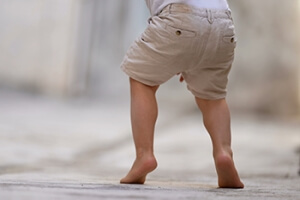
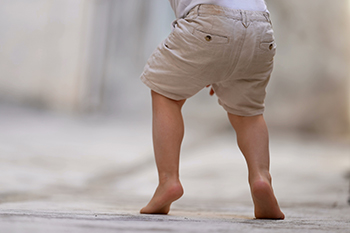
Toe walking is common among toddlers learning to walk, but if it persists beyond the age of two, it may be a sign of underlying issues. Classifications of toe walking in children include neurological, orthopedic, developmental, and idiopathic. Neurological toe walking may involve conditions like cerebral palsy or muscular dystrophy, which lead to muscle tightness or weakness. Orthopedic issues, such as clubfoot or inflammatory diseases, can cause pain that leads children to avoid placing their heels on the ground. Developmental delays and cognitive disorders, including autism spectrum disorders, can also contribute to toe walking. This may be caused by sensory processing challenges. Idiopathic toe walking, seen in healthy children without apparent medical problems, might be linked to tight calf muscles or a family history of toe walking. A chiropodist can help identify the specific cause of toe walking to help a parent make an appropriate health care decision for their child. If your child consistently walks on the toes, it is suggested that you schedule an appointment with a chiropodist for an exam, diagnosis, and possible treatment options.
If your child is experiencing foot or ankle pain, please consult with Cynthia Chan, B.Sc., D.Ch from Healthy Advantage Foot & Orthotic Clinic. Our practitioner will assess your condition and provide you with quality foot and ankle treatment.
Common Causes of Foot Pain in Children
While children can experience many of the same foot problems as adults do, some foot problems may be more common during childhood.
Causes of foot pain in children can include:
-
Deformities that are present from birth, such as flat feet or clubfoot
-
Sever’s disease, which is an inflammation of the growth plate in the heel bone
-
Various sports injuries, such as sprains and fractures
-
Ingrown toenails
-
Athlete’s foot
-
Plantar warts
Prevention
It is important to look after the health of children’s feet in order to prevent future problems from arising. Keep your child’s feet clean and dry, trim their toenails regularly, ensure their shoes fit properly, and keep a watchful eye on any symptoms of foot pain, such as limping. If you notice any symptoms or if your child complains of foot pain, a chiropodist can help.
If you have any questions, please feel free to contact our office located in . We offer the newest diagnostic and treatment technologies for all your foot care needs.
Children’s Foot Health
Much like adults, children can also experience foot problems. Certain conditions are common in children but can be promptly treated to help your child stay healthy and active.
Young children are often afflicted with ingrown toenails. Ingrown toenails occur when a toenail grows into the surrounding skin rather than over it. This can make the area where the nail has grown into the skin tender, red, warm, swollen, and painful. In some cases, an infection may develop. Ingrown toenails can typically be treated at home, but an infection may require medical treatment. Fortunately, ingrown toenails are easy to prevent. When trimming your child’s toenails, be sure to use toenail clippers to cut the nails straight across, avoiding curved edges. It is also important to not cut the nail too short. Wearing roomy, comfortable shoes can also help prevent ingrown toenails from developing.
Plantar warts are warts that develop on the bottom of the foot due to a viral infection. Warts usually present as one or multiple circular areas of thickened skin with tiny black dots on them. Plantar warts may cause pain when pressure is applied to them while walking. Over-the-counter and prescription topical treatments can typically clear up plantar warts.
Another common concern in children is heel pain. Sever’s disease, an overuse injury that causes inflammation in the growth plate of the heel, is especially common in children ages 8 to 14, especially if they frequently participate in running or jumping activities, like soccer or gymnastics. Sever’s disease is characterized by pain in the back or bottom of the heel, difficulty walking, and fatigue.
If your child complains of foot pain or if you notice any abnormalities in your child’s feet, it is recommended that you take them to see a chiropodist for a diagnosis and treatment.