
Comparing Running and Walking Shoes
Running and walking shoes are designed to meet the unique needs of each activity, offering distinct features for performance and comfort. Running shoes generally have more cushioning and impact absorption to handle the intense forces of each foot strike. Walking shoes provide more flexibility and support for a smooth, natural stride. The outer soles of running shoes are typically designed for higher traction to provide stability during quick, dynamic movements. Walking shoes focus on a more even tread for steady contact with the ground. Weight also varies. Running shoes are often lighter to reduce strain during fast-paced activity, while walking shoes may be slightly heavier for better overall support. Choosing the right shoe for each activity ensures proper foot alignment, reduces the risk of injury, and maximizes comfort. If you have endured a foot or ankle injury or want help choosing the right shoes, it is suggested that you consult a chiropodist.
Finding the right shoes can sometimes be a major hassle, especially if you intend to work out in them. There are shoes on the market designed specifically for running and walking, but it can be difficult to differentiate between the two and find the right shoes for you. If you’re having trouble finding the right shoes, please consult with Cynthia Chan, B.Sc., D.Ch from Healthy Advantage Foot & Orthotic Clinic. Our practitioner can help you maintain the health of your lower limbs and your mobility.
What are the differences between running and walking shoes?
These two types of shoes vary along several parameters.
- Cushioning: Runners need more cushioning in the heel and forefoot areas of the shoe, while walkers can get away with less cushioning.
- Heel height: Runners need a higher heel to provide them with stability, but the ideal height of the heel for runners varies depending on their running gait. Walkers generally don’t need a built-up heel.
- Heel flare: Flared heels can help provide extra stability for runners with certain gaits, while walkers may benefit from a flared heel to control the motion of their foot.
- Flexibility: Both runners and walkers need shoes that are flexible.
For more information about the differences between walking and running shoes, and to figure out which shoes may be right for you, please consult with a chiropodist. If you have any questions please feel free to contact our office located in Scarborough, ON .
Differences Between Walking and Running Shoes
Running and walking are excellent activities to promote physical fitness and maintain mobility. But whether you are a runner or a walker, finding the right pair of shoes can be difficult. It can be helpful to review how running and walking shoes may differ and what kind of shoes each type of exercise needs.
Runners need shoes that have adequate cushioning in the heel and forefoot. This is because while running, the runner’s feet impact the ground with three times their body weight with each step. When considering the heel of the running shoes, note the heel height and whether or not the heel is flared. Runners need a higher heel than walkers in order to provide them with stability. A flared heel can also help with this. Finally, running shoes need to be flexible. Most running shoes are flexible in the arch or midfoot region, but it’s also possible to find running shoes that are flexible in the forefoot. The best running shoes for you will depend on your gait.
Walkers need shoes that are supportive but do not need the same level of cushioning as runners. The heels of walking shoes don’t need to be as high as those of running shoes, but a flared heel can help walkers with their foot stability as well. Walking shoes also need to be flexible.
With all of this said, walking shoes may be more difficult to find on the market than running shoes. This begs the question: can you walk in running shoes? The answer is yes. However, you should not run in walking shoes. For more information about this topic, please consult with a chiropodist.
Let the Expert Treat Your Ingrown Toenails
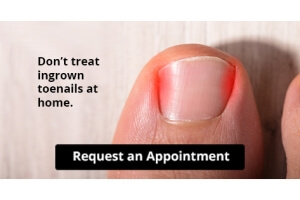
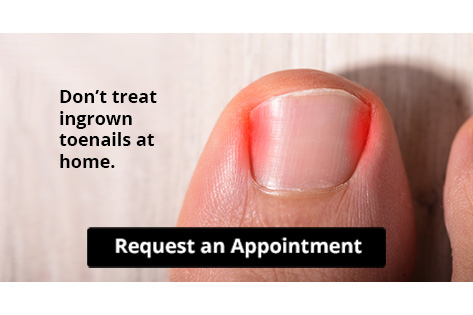
Ingrown toenails can be painful and can make wearing shoes or walking uncomfortable. Seek professional help if you believe you've developed an ingrown toenail and be treated safely.
Managing Athlete’s Foot
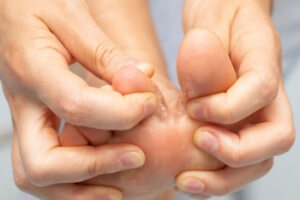
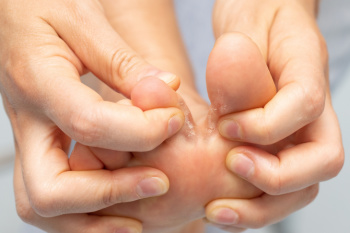
Athlete's foot is a fungal infection that often starts between the toes, causing itchy, scaly patches and sometimes redness or cracking of the skin. Athlete's foot can spread to the soles of the feet or even the toenails, leading to a more persistent issue. Factors like damp or sweaty feet, walking barefoot in communal areas, and sharing towels or shoes can increase the risk of infection. While pharmacy treatments can address an athlete’s foot infection, recurrent cases are common. A chiropodist can provide expert care, including evaluating the severity, recommending the most effective treatments, and advising on strategies to prevent recurrence. If untreated, athlete's foot can worsen or spread to other body parts. A chiropodist can also help rule out other foot conditions with similar symptoms. If you have a troublesome athlete's foot infection, it is suggested that you schedule an appointment with a chiropodist for appropriate treatment.
Athlete’s foot can be uncomfortable and unsightly. To learn more about preventing and treating this condition, please consult with Cynthia Chan, B.Sc., D.Ch from Healthy Advantage Foot & Orthotic Clinic. Our practitioner will assess your condition and provide you with quality foot and ankle treatment.
What Is Athlete’s Foot?
Athlete’s foot refers to an infection of the skin on the feet that is caused by a fungus. This fungus is contagious and thrives in warm and moist environments. It is often spread in common areas such as public pools, locker rooms, and showers. It can also spread when sharing personal items, like shoes or towels, with an infected person.
Symptoms
The symptoms of athlete’s foot may include:
- Itching, stinging, or burning of the skin on the feet
- Cracking or peeling skin, especially between the toes and on the soles of the feet
- Scaly, red rash on the foot
- Blisters
- Foul odor
Treatment
Treatment for athlete’s foot typically involves using over-the-counter topical antifungal medications on the feet. When over-the-counter options are ineffective, you may need to take prescription oral medications or topical antifungal drugs, or a combination of both.
Prevention
Preventing athlete’s foot places an emphasis on good foot hygiene practices.
You can prevent athlete’s foot by:
- Washing and drying your feet thoroughly every day
- Wearing shoes when walking in public areas
- Not sharing personal items, like shoes or socks, with others
- Wearing shoes and socks made out of breathable materials
If you have any questions please feel free to contact our office located in Scarborough, ON .
Athlete's Foot
Athlete’s foot, also known as tinea pedis, is a fungal infection of the skin of the feet. The fungus that causes athlete’s foot lives and thrives in warm, moist environments such as public swimming pools, locker rooms, and showers. This fungus can infect the feet through a cut or crack in the skin. Athlete’s foot is also highly contagious, and the fungus can spread from person to person through sharing personal items such as shoes, socks, or towels.
The symptoms of athlete’s foot include itching, stinging, or burning between your toes or on the soles of your feet, itchy foot blisters, and dry, cracked, or peeling skin on the feet. The infection can also spread to your toenails, leading to discoloration, thickening, and crumbling.
Through a physical examination, athlete’s foot can be diagnosed by your chiropodist based on its symptoms. Sometimes, a skin test may be ordered to confirm the diagnosis. Athlete’s foot can be treated with both oral and topical over-the-counter or prescription medications. You can prevent a fungal infection by maintaining good foot hygiene, wearing shoes when walking in public areas, avoiding sharing personal items with others, and keeping your feet clean and dry.
Causes and Symptoms of Cuboid Syndrome
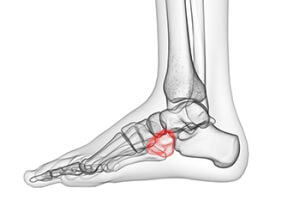
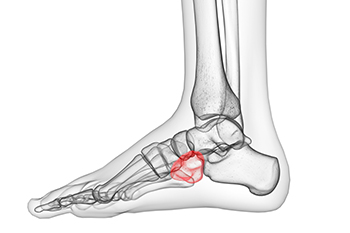
Cuboid syndrome is a condition that affects the cuboid bone, located on the outside of the foot, in the area between the heel and the fourth and fifth toes. This condition occurs when the cuboid bone becomes misaligned or restricted, leading to pain and discomfort. The causes of cuboid syndrome often include trauma, overuse, or repetitive stress, especially in athletes or individuals who engage in activities that place significant strain on the feet. Wearing improper footwear, foot abnormalities, or ankle sprains can also contribute to the condition. Symptoms of cuboid syndrome include pain on the outside of the foot, difficulty walking, and discomfort during activities like running or standing for extended periods. Swelling and tenderness surrounding the cuboid bone are also common. Cuboid syndrome can be painful and may hinder completing daily activities. If you have the above symptoms, it is suggested that you consult a chiropodist who can effectively diagnose and treat this condition.
Cuboid syndrome, also known as cuboid subluxation, occurs when the joint and ligaments surrounding the cuboid bone in the foot become injured. If you think that you may have cuboid syndrome, please consult with Cynthia Chan, B.Sc., D.Ch from Healthy Advantage Foot & Orthotic Clinic. Our practitioner will assess your condition and provide you with quality foot and ankle treatment.
Causes
The cuboid bone is one of the seven tarsal bones located in the foot. Cuboid syndrome develops when the cuboid bone moves down and out of alignment with the other bone (calcaneus bone) in the joint of the foot. Cuboid syndrome can be the result of a sudden injury like an ankle sprain, or it may develop slowly over time from repetitive tension through the bone and surrounding structures.
Symptoms
The most common symptom of cuboid syndrome is pain on the outside of the foot which may worsen with activity.
Other possible symptoms include:
- Difficulty bearing weight on the affected foot
- Swelling
- Sensitivity on the bottom of the foot
- Reduced range of motion
Diagnosis
A chiropodist can diagnose cuboid syndrome based on your medical history and a physical examination of the foot. Imaging studies, such as X-rays or MRIs, often fail to show the dislocated cuboid.
Treatment
Treatment often includes resting, icing, compressing and elevating the affected foot, taping, wearing orthotic inserts, and taking anti-inflammatory medications to reduce pain. The chiropodist may also be able to manipulate the dislocated bone back into alignment.
If you have any questions please feel free to contact our office located in Scarborough, ON .
Cuboid Syndrome
Cuboid syndrome, also known as cuboid subluxation, is a condition in which the cuboid bone in the foot moves out of alignment. This can happen as a secondary injury to a sprained ankle or due to injury or overuse. Activities that may increase your risk of cuboid syndrome include playing sports with rapid, side-to-side movements, dancing, climbing stairs, wearing poorly fitted shoes, training on uneven surfaces, and not taking enough time to rest and recover after strenuous activity.
Symptoms frequently associated with cuboid syndrome include dull, aching, or sharp pain along the outside of the foot, pain that gets worse when bearing weight, ankle pain, difficulty walking, a reduced range of motion in the affected foot, and sensitivity on the bottom of the foot.
Fortunately, most people diagnosed with cuboid syndrome make a full recovery. There are many treatment options available for this condition. At home, you may be advised to rest, ice, compress, and elevate the affected foot to reduce inflammation, pain, and swelling and to promote healing. Your chiropodist can also perform certain foot manipulations to realign the cuboid bone, use a pad or tape to stabilize the affected foot, or prescribe custom orthotics.
If you are experiencing the symptoms of cuboid syndrome, it is recommended that you see a chiropodist for treatment.
Dangers of Standing All Day at Work


Standing all day at work can strain your feet, legs, and lower back, often leading to chronic discomfort and swelling. When you stand for prolonged periods, your muscles work hard to keep you upright, and blood can pool in your legs, causing additional fatigue. This prolonged standing can put stress on the arches of your feet, increasing the risk of developing painful foot conditions like plantar fasciitis, varicose veins, and even joint issues, over time. Wearing supportive shoes, taking breaks to sit or walk, and occasionally elevating your feet can help reduce discomfort. Compression socks can also encourage healthy blood circulation, minimizing swelling. A chiropodist can provide professional advice on foot health, including custom orthotics to support your arches and alignment. They can also offer exercises for foot pain caused by overuse or strain from standing. If you have foot pain related to working on your feet, it is suggested that you schedule an appointment with a chiropodist for advice.
If you stand all day, you may be at an increased risk of developing various foot conditions. If you are experiencing foot pain of any kind, please consult with Cynthia Chan, B.Sc., D.Ch from Healthy Advantage Foot & Orthotic Clinic. Our practitioner will assess your condition and provide you with quality foot and ankle treatment.
What Foot Problems Are Caused by Standing?
Standing all day at work may increase your risk of developing foot or ankle problems.
Some common foot conditions that may arise from spending all day on your feet include:
- Foot pain
- Blisters
- Corns and calluses
- Arthritis
- Flat feet
- Bunions
- Sprains
- Athlete’s foot
Prevention
If you stand for prolonged periods of time for work, taking preventative measures to preserve the health of your feet is strongly recommended.
Measures you can implement to help prevent foot problems include:
- Wearing shoes that are comfortable and fit well - these shoes should be made of breathable materials and provide you with arch support and cushioning. It is best to avoid shoes that have heels or narrow toe boxes.
- Taking breaks to rest, walk, and stretch your feet throughout the day
- Maintaining good foot hygiene - wash and dry your feet thoroughly every day
If you have any questions please feel free to contact our office located in Scarborough, ON .
Working on Your Feet
Standing for prolonged periods of time can cause damage to your feet. Unfortunately, this is a necessary part of the job for many working people. Common foot conditions that may occur as a result of being on your feet all day include foot pain, blisters, calluses, corns, arthritis, toe deformities, sprains, bunions, athlete’s foot, and fallen arches.
There are certain steps that you can take to prevent work-related foot problems. If you are on your feet all day, it is recommended that you avoid shoes that have high heels, pointed toes, a fit that is too loose or too tight, and a lack of arch support. If you work in a place where foot injuries are a common occupational hazard, such as a construction zone, wearing the right shoes becomes increasingly important. Wearing comfortable, properly fitted, supportive shoes made of breathable materials can mitigate the risk of developing a variety of foot problems.
Maintaining an immobile, upright stance for prolonged periods of time is bad for your foot health. If possible, take breaks throughout the day to sit down, stretch, and walk around. At home, take care of your feet with a daily foot care routine. Wash the feet daily with soap and water and dry them thoroughly. Apply a moisturizer to prevent cracked heels. When trimming the toenails, trim straight across to avoid ingrown toenails. Wear clean socks daily. If you notice any problems developing in your feet or ankles, consult with a chiropodist, who can diagnose and treat your condition and help you maintain the health of your feet.
Heel Pain Can Happen to Anyone
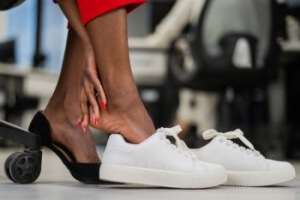
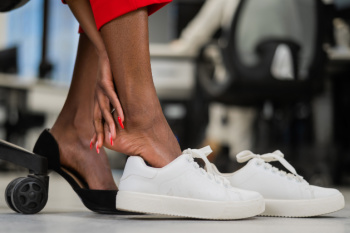
Heel pain often stems from overuse, strain, or pressure on the heel, the largest bone in the foot. It typically occurs due to repetitive stress or excessive pressure from walking, running, or prolonged standing, which inflame the tissues that support the heel. Heel pain can feel sharp, especially with the first steps in the morning, or present as a dull ache throughout the day. People at risk include athletes, people with jobs requiring long hours on their feet, and individuals with flat feet, high arches, or abnormal walking patterns. Treatment typically involves rest and wearing supportive footwear. However, in some cases, custom orthotics or targeted stretching, and even surgery may be needed. With prompt care, heel pain often resolves, though chronic cases may require longer treatment for relief and prevention of recurrence. If you suffer from heel pain, it is suggested that you visit a chiropodist for a proper diagnosis and treatment.
Heel pain is a common problem that can be caused by a variety of injuries, medical conditions, and other factors. If you suffer from heel pain, please consult with Cynthia Chan, B.Sc., D.Ch from Healthy Advantage Foot & Orthotic Clinic. Our practitioner can help you maintain the health of your lower limbs and your mobility.
When it comes to heel pain, the exact location and type of pain are important to note. Some of the conditions that may cause heel pain include:
- Plantar fasciitis - An inflammation of the ligament that runs along the bottom of the foot; it causes a stabbing pain under the heel that is at its worst when taking your first few steps after a long rest and while standing on your tiptoes or climbing stairs
- Achilles tendonitis - An inflammation of the tendon in the back of the calf; it causes pain in the back of the heel that is at its worst after resting, as well as ankle and calf stiffness, swelling, and tenderness
- Bone spurs - Bony lumps on the back of the heel bones that cause sharp pain upon first standing up; the pain becomes dull and achy over time
- Heel fractures - A break or crack in the heel bone that causes pain, swelling, and difficulty walking
- Retrocalcaneal bursitis - Swelling of the small, fluid-filled sac at the back of the heel bone; it causes pain, swelling, redness, and warmth in the back of the heel
- Tarsal tunnel syndrome - Compression of the posterior tibial nerve which causes a pins and needles sensation in the heel, foot, and calf
Your chiropodist will be able to diagnose the underlying cause of your pain and prescribe the right treatments for you. If you have any questions please feel free to contact our office located in Scarborough, ON .