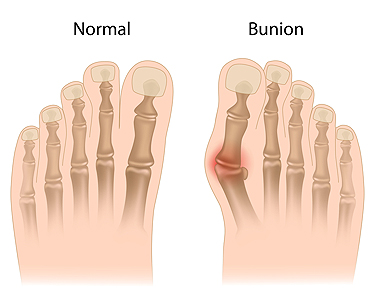
A bunion is a common foot deformity that affects the joint at the base of the big toe. As the condition develops, the big toe gradually shifts toward the smaller toes, while the joint moves outward. This can create a visible bump along the inside of the foot. Bunions may develop slowly and become more noticeable over time. Some people have mild bunions without pain, while others experience ongoing discomfort that affects walking and footwear choices.
Common bunion symptoms include pain around the big toe joint, swelling, and tenderness. The affected joint may also become stiff, making it harder to move the big toe normally. Shoes can rub against the bunion and cause irritation or calluses. Risk factors include family history, foot structure, and previous foot injuries. Wearing narrow or poorly-fitting shoes may increase pressure on the toes. Activities that repeatedly place stress on the forefoot can also contribute to symptoms.
The exact cause of bunions can vary from person to person. Inherited foot structure may influence how pressure moves across the foot while walking. Some people naturally have an alignment that makes bunion development more likely. Arthritis can affect joint movement and contribute to changes in alignment. A chiropodist can examine the foot and determine whether a bunion is present. X-rays may be used to evaluate bone alignment and understand the severity of the deformity.
Treatment depends on symptoms and how much the bunion affects daily activities. A chiropodist may recommend wider footwear, protective padding, or activity changes to reduce pressure. More advanced cases may require additional treatment when pain continues despite conservative care. Early evaluation can help identify contributing factors and prevent unnecessary discomfort. If you have a bunion that causes pain or affects your ability to walk comfortably, it is suggested that you consult a chiropodist to explore effective relief and management solutions.
Bunions progressively worsen over time and may cause walking in your shoes to become difficult. To learn more about bunions, please consult with Cynthia Chan, B.Sc., D.Ch from Healthy Advantage Foot & Orthotic Clinic. Our practitioner will assess your condition and provide you with quality foot and ankle treatment.
What Are Bunions?
A bunion is a bony bump that protrudes from the base of the big toe. Bunions are caused due to a misalignment of the first metatarsal. The characteristic bump of a bunion forms when the metatarsal shifts outwards from its proper position. Bunions develop slowly over time and progressively worsen without treatment. The skin over the bunion may develop calluses due to the friction from shoes. Eventually, a bunion can make walking uncomfortable or even painful. Bunions are one of the most common foot deformities and are especially common in women and older adults.
Symptoms
A bunion appears as a bulging bump on the outside of the base of the big toe.
The bunion may also:
- Be swollen, red, or sore
- Develop corns or calluses over it
- Cause pain
- Limit the big toe’s range of motion
Treatment
There are several different treatments available for bunions. Conservative treatment options include wearing shoes with a wider toe box, cushioning the bunion with a specialized pad, wearing shoe inserts, icing the bunion if it becomes inflamed, and taking medications to relieve pain. In more severe cases, more invasive procedures may be done. This may involve removing the swollen tissue around the bunion, straightening the big toe, realigning the bones at the front of the foot, or a combination of these procedures.
If you have any questions please feel free to contact our office located in Scarborough, ON .
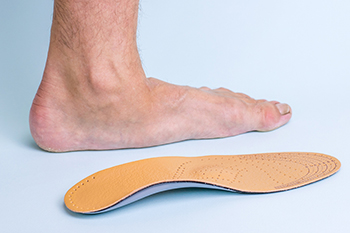
Flat feet occur when the arches are low or touch the ground while standing. In babies and toddlers, low arches are usually part of development. Arches become more noticeable as the feet grow. Adults can also develop flat feet after an injury, illness, or age-related weakening of the tissues that support the arch. Some feet remain flexible, meaning an arch appears when the person stands on tiptoe. Other flat feet are rigid and stay flat in every position. Many people have no discomfort, but painful or changing arches may require attention.
Common symptoms include aching in the arch, heel, or ankle. The feet may feel tired after standing, and pain can make sports or activities harder. Some patients notice swelling near the ankle or uneven wear on their shoes. Flat feet can change the way weight moves across the feet. This can place extra strain on joints and muscles. A chiropodist can examine the arches, watch how the patient stands and walks, and check foot flexibility. The assessment may also include a review of symptoms and medical history. Imaging may be recommended when pain, stiffness, or an injury needs closer evaluation.
Chiropody care focuses on improving comfort and supporting foot movement. A chiropodist can recommend fitted shoes with support and enough room for the toes. Custom orthotics can support the arches and spread pressure across the feet. Padding or changes to an orthotic can address sore areas when walking. The chiropodist can monitor the arches and identify related problems, including corns, calluses, or altered walking patterns. Treatment is based on the cause of the flat feet and the symptoms. Assessments can be helpful when pain affects work, exercise, or mobility. If you have pain from having flat feet, it is suggested that you schedule an appointment with a chiropodist for effective relief and management tips.
Flat feet are a common foot condition. If you are experiencing pain or discomfort due to flat feet, please consult with Cynthia Chan, B.Sc., D.Ch from Healthy Advantage Foot & Orthotic Clinic. Our practitioner will assess your condition and provide you with quality foot and ankle treatment.
What Are Flat Feet?
Flat feet are feet that do not have a well-defined arch in the middle of the sole of the foot. Flat feet may be flexible or rigid. Flexible flat feet have an arch when there is no pressure put on the foot, such as when one is sitting, but the arch disappears upon standing. Rigid flat feet lack an arch regardless of whether one is standing or not.
Causes
Flat feet can be present from birth or acquired over time due to a weakening of the ligaments in the arch. Sometimes flat feet are caused by illnesses, injuries, or pregnancy.
Symptoms
Flat feet often cause no noticeable symptoms. However, some people may experience pain and discomfort due to their flat feet.
Symptoms associated with flat feet include:
- Pain in the arch, heel, ankle, or along the outside of the foot
- Overpronation of the foot
- Shin splints
- Aching or fatigue in the feet or legs
- Pain in the knees, hips, or lower back
Treatment
In cases where flat feet cause symptoms, there are various treatments available. Wearing orthotic inserts in your shoes to provide more arch support, performing stretches, and taking medications may improve your symptoms. If you are overweight, losing weight can help relieve pressure on the feet. In severe cases, surgery may be considered.
If you have any questions please feel free to contact our office located in Scarborough, ON .
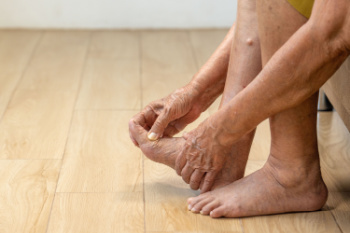
The feet contain many joints that work together to support balance and movement. Arthritis in the joints of the feet can cause pain, stiffness, and swelling. Depending on the cause, patients may also notice warmth or tenderness surrounding the affected area. The symptoms can make it harder to stand, climb stairs, or walk comfortably. Changes in the joints can also alter foot shape and affect balance. Several common types of arthritis can affect the feet and ankles. Osteoarthritis develops when the protective tissue between bones breaks down. Rheumatoid arthritis occurs when the immune system attacks healthy joint tissue. Arthritis can also develop following a foot or ankle injury.
A chiropodist can examine the feet and ankles to determine which joints are affected. The assessment can include checking joint movement, tenderness, and changes in foot shape. The chiropodist may also observe how the patient stands and walks. This can reveal pressure points and movement problems that increase discomfort. Imaging or medical testing can provide more information about joint damage or the type of arthritis involved. A clear diagnosis guides care based on the patient’s symptoms and daily activities. Early attention is important because joint problems can make routine movement harder.
Chiropody care is designed to reduce pressure and improve foot function. A chiropodist can recommend properly fitted shoes with cushioning, support, and ample toe room. Custom orthotics can improve alignment and move pressure away from painful joints. Padding or braces can provide added support and protect sensitive areas. The chiropodist can also manage corns, calluses, or nail problems that become harder to handle when joint stiffness limits movement. Regular assessments allow the chiropodist to monitor joint changes and adjust the care plan as symptoms change. If you have symptoms of arthritis that affect your feet or ankles, it is suggested that you schedule an appointment with a chiropodist for effective relief and management solutions.
Osteoarthritis in the feet or ankles can be a painful and disabling condition that may interfere with your daily activities. If you have arthritis, please consult with Cynthia Chan, B.Sc., D.Ch from Healthy Advantage Foot & Orthotic Clinic. Our practitioner will assess your condition and provide you with quality foot and ankle treatment.
What Is Osteoarthritis?
Osteoarthritis is a condition in which the protective layer of cartilage in the joints breaks down over time. This loss of cartilage causes the bones to rub together during movement, leading to pain and inflammation. Osteoarthritis is associated with aging, and often affects the small joints of the feet and ankles.
Symptoms
Symptoms of osteoarthritis include:
- Joint pain
- Joint stiffness
- Swelling in or around the joint
- Restricted range of motion
- Difficulty walking
Diagnosis
Osteoarthritis can be diagnosed through physical examination. You may also need to have an X-ray taken to assess the extent of the damage caused by arthritis.
Treatment
Treatment for osteoarthritis focuses on reducing symptoms and improving the function of the affected joints. Conservative treatments include oral pain medications, orthotic devices, bracing or immobilizing the affected foot or ankle, steroid injections into the affected joint to reduce inflammation, and physical therapy. In more severe cases, surgery may be necessary.
If you have any questions please feel free to contact our office located in Scarborough, ON .

Heel pain can negatively affect your day-to-day life. Simple activities like walking can become incredibly uncomfortable or painful due to heel pain.
Don’t live with heel pain and get treated.