Items filtered by date: December 2025
Finding Shoes That Fit
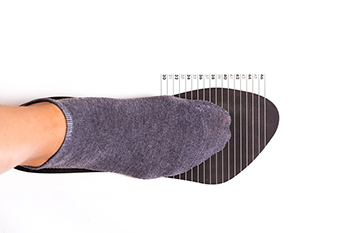 In a world where shoe sizes aren't standardized internationally and many shoes on the market are made with only style in mind, it can be difficult to find shoes that fit properly. Your feet gradually swell throughout the day. This means that the best time to shop for shoes is in the evening, as that is when your feet are at their largest. If the shoes you buy fit comfortably when your feet are at their largest, then they will likely fit your feet comfortably throughout the entire day. On the same note, if your feet are two different sizes, you should buy shoes that comfortably fit the larger of your two feet. When trying on shoes, wear the socks that you would normally wear with that type of shoe. Leave a half-inch of space at the front of the shoe (between the end of your longest toe and the end of the front of the shoe) and an eighth inch of space at the back of the shoe (between the back of your heel and the shoe) for a comfortable fit. You should also make sure that the toe area of the shoes is not too tight or narrow. For more tips on finding the right size shoe for you, please consult with a chiropodist.
Finding the right shoes can be a hassle, however, wearing properly fitted shoes is one of the best things that you can do to prevent future foot problems. For more information about the importance of wearing the right shoe size, please consult with Cynthia Chan, B.Sc., D.Ch from Healthy Advantage Foot & Orthotic Clinic. Our practitioner can help you maintain the health of your lower limbs and your mobility.
Tips for finding shoes that fit
- Measure your foot - This should be done later in the day when your feet are naturally at their largest. An associate at a shoe store can measure your foot using a Brannock device.
- Wear the right socks - You should be wearing the socks or other hosiery that you intend to wear with the kind of shoe you are looking for. For example, if you are shopping for running shoes, wear the socks that you would normally wear while running.
- Remember these numbers - When trying on shoes, there should be about ½ an inch of space between the end of your longest toe and the end of the front of the shoe, and ⅛ of an inch between the back of your heel and the shoe
- Don’t “break them in” - Any shoes you buy should be immediately comfortable; don’t settle for shoes that you have to “break in" before you can wear them out.
A chiropodist can help you find the best shoes and orthotics to help maintain the health of your feet. If you have any questions please feel free to contact our office located in Scarborough, ON .
How Do I Prevent Running Injuries?
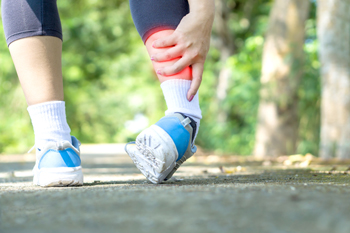 Running, while an excellent form of exercise, can lead to a variety of foot and ankle injuries, such as plantar fasciitis, stress fractures, and ankle sprains. Fortunately, there are preventative measures that you can take to reduce your risk of injury. When running, it’s important to avoid overtraining. Running too many miles, too often, and too quickly is a recipe for overuse injuries. When running, increase the mileage, duration, and intensity of your runs slowly over time. It’s also important to wear the right shoes. Running shoes should fit properly, cushion and support the feet, and be replaced when they become worn out. Stretching and strengthening the legs and feet can help prevent injury as well. To learn more about how to avoid running injuries, please consult with a chiropodist.
Although running is a wonderful exercise to keep you in shape, it can wreak havoc on your feet and ankles if you don’t take preventive measures. If you have sustained a foot and ankle injury from running, please consult with Cynthia Chan, B.Sc., D.Ch from Healthy Advantage Foot & Orthotic Clinic. Our practitioner can help you maintain the health of your lower limbs and your mobility.
Some common running injuries include:
- Achilles tendonitis
- Shin splints
- Ankle sprains
- Stress fractures
- Plantar fasciitis
- Bursitis
What causes injuries?
These injuries are usually caused by overtraining, wearing the wrong shoes, running on hard surfaces, having tight and inflexible muscles, or having biomechanical issues in the feet or ankles.
What can I do to prevent injuries?
- Train slowly and gradually
- Give yourself plenty of time to recover following a run
- Wear shoes that fit properly and support your foot
- Avoid running on hard surfaces, like concrete
- Stretch and strengthen the muscles of your lower legs
- Warm-up prior to a run
- Have your gait analyzed and your feet examined by a chiropodist to determine if there are any biomechanical problems that need to be treated
If you have any questions please feel free to contact our office located in Scarborough, ON .
What Is Sesamoiditis?
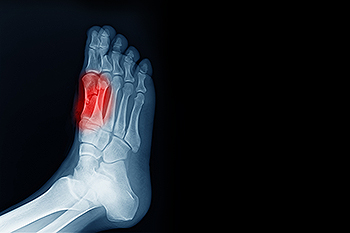 Sesamoiditis is an injury of the sesamoid bones — two tiny, pea-shaped bones located in the ball of the foot, just under the big toe. When these bones and their surrounding tendons are damaged, displaced, or inflamed, you may experience foot pain, swelling, and warmth. The symptoms are usually made worse by walking or wearing thin-soled or high-heeled shoes. Sesamoiditis is a common injury in dancers and joggers, as well as those who have high arches or bunions, and those who wear high heels. Conservative treatments, such as footwear modifications, orthotics, and over-the-counter pain medications are usually sufficient for pain relief. If you are experiencing any foot pain, please seek the care of a chiropodist.
Sesamoiditis can be painful and prevent you from participating in certain activities. To learn more about this condition, please consult with Cynthia Chan, B.Sc., D.Ch from Healthy Advantage Foot & Orthotic Clinic. Our practitioner will assess your condition and provide you with quality foot and ankle treatment.
What Is Sesamoiditis?
Sesamoiditis refers to an injury of the sesamoids (two small, pea-shaped bones located beneath the big toe joint) or the tendons and/or surrounding tissue in the joint.
Causes
Sesamoiditis is typically the result of an overuse injury caused by activities that put repetitive pressure on the sesamoid bones and the tendons involved with those bones. These activities can include basketball, football, running, ballet, and tennis. People who have high foot arches and those who frequently wear high-heeled shoes are also at an increased risk of developing sesamoiditis.
Symptoms
Common symptoms of sesamoiditis include:
- Dull, longstanding pain under the big toe joint
- Swelling
- Bruising
- Difficulty straightening or bending the big toe
- Pain during movement
Diagnosis
Sesamoiditis can be diagnosed by physical examination and X-rays. Sometimes other imaging studies, such as a bone scan, MRI, or ultrasound may be needed if damage to the area surrounding the sesamoid bones is suspected.
Treatment
Treatment options include conservative measures, such as padding, strapping, taping or immobilizing the affected foot, taking oral medications or getting steroid injections to reduce pain and swelling, and wearing orthotic devices. Surgical treatment may be necessary if conservative measures are not effective.
If you have any questions please feel free to contact our office located in Scarborough, ON .
What Is Sever’s Disease?
 Sever’s disease, also known as calcaneal apophysitis, refers to an inflammation of the growth plate in the heel. It is one of the most common foot injuries in children and adolescents between the ages of 8 and 14. It is especially common in children who are involved in sports activities such as soccer, running, or basketball. Symptoms of Sever’s disease include pain in the back or bottom of the heel, pain when the sides of the heel are squeezed, difficulty running, jumping, or walking, limping, walking on the toes to avoid putting pressure on the heels, and tiredness. There are various treatments for Sever’s disease including resting the foot by stopping or reducing participation in the activity that caused it, supporting the heel with shoe inserts or custom orthotics, and taking oral medications to reduce pain and inflammation. If your child complains of heel pain, it is highly recommended that you take them to see a chiropodist.
Sever’s disease typically affects young children and teenagers. If your child complains of foot pain, please consult with Cynthia Chan, B.Sc., D.Ch from Healthy Advantage Foot & Orthotic Clinic. Our practitioner will assess your condition and provide you with quality foot and ankle treatment.
What Is Sever’s Disease?
Sever’s disease, also known as calcaneal apophysitis, is an inflammation of the growth plate in the heel bone. It is typically caused by overuse due to repetitive activities such as running, jumping, and playing certain sports. This condition most frequently affects children between the ages of 8 and 14.
Symptoms
Symptoms of Sever’s disease include:
- Pain in the back or bottom of the heel
- Pain when the sides of the heel are squeezed
- Limping or walking on tiptoes to avoid putting pressure on the heel
- Difficulty running, jumping, or participating in usual activities
- Fatigue
Diagnosis
Sever’s disease is diagnosed by taking a thorough medical history and performing a physical examination. Imaging studies, such as an X-ray, can help rule out other injuries like a fracture.
Treatment
Sever’s disease typically heals without any long-term complications. Treatment involves resting the affected foot by reducing typical activities, wearing orthotics to support the foot, immobilizing the affected foot, taking medications to reduce pain and inflammation, and stretching the foot.
If you have any questions please feel free to contact our office located in Scarborough, ON .
Why Live with Pain and Numbness in Your Feet?
Suffering from this type of pain? You may have the foot condition known as Morton's neuroma. Morton's neuroma may develop as a result of ill-fitting footwear and existing foot deformities. We can help.
Why Live with Pain and Numbness in Your Feet?
Suffering from this type of pain? You may have the foot condition known as Morton's neuroma. Morton's neuroma may develop as a result of ill-fitting footwear and existing foot deformities. We can help.
Understanding Stress Fractures in the Feet
 Stress fractures, or hairline fractures as they are sometimes called, are small cracks that develop in a bone when it is unable to handle the weight placed on it. Because the feet bear the weight of the entire body and are also heavily involved in our mobility, stress fractures frequently occur in the foot bones. Stress fractures are often caused by overuse or doing repetitive activities that place stress on the foot, such as running or dancing. Symptoms of a stress fracture include tenderness, deep and dull pain, weakness, swelling, and bruising. Without treatment, stress fractures can worsen over time. If you are experiencing the symptoms of a stress fracture, it is recommended that you seek treatment from a chiropodist.
A stress fracture often requires medical attention as it can progress and worsen over time. Please consult with Cynthia Chan, B.Sc., D.Ch from Healthy Advantage Foot & Orthotic Clinic. Our practitioner will assess your condition and provide you with quality foot and ankle treatment.
A stress fracture refers to a fine crack in a bone. This type of fracture is especially common in the feet, as they often endure repetitive pressure from daily activities such as walking or running. Stress fractures occur when the affected bone can not support the load being placed on it. Stress fractures in the foot can occur in any bone, but often affect the metatarsal bones which connect the toes to the rest of the foot, the heel bone, or the navicular bone on the top of the foot.
Symptoms
Symptoms of a stress fracture may include:
- Deep, dull pain
- Sharp, localized pain
- Intermittent pain
- Tenderness
- Weakness
- Swelling
- Bruising
- Changes in the biomechanics of the foot
Diagnosis
Stress fractures in the foot are diagnosed via medical history and a physical exam. You may also need to have diagnostic imaging tests like X-rays, MRIs, CT scans, bone scans, or an ultrasound performed to confirm the diagnosis and to rule out any other problems.
Treatment
Nonsurgical treatment options include resting, icing, compressing and elevating the affected foot, taking nonsteroidal anti-inflammatory pain medications, modifying your footwear, wearing a cast, and using crutches. Certain types of foot fractures, such as navicular fractures, respond poorly to nonsurgical treatment and may need surgery to fully heal.
If you have any questions please feel free to contact our office located in Scarborough, ON .